Performance Brakes Deliver the Stopping Power Today’s Vehicles Require
It’s a simple equation: the more power added to a vehicle, the more stopping force is required to maintain safety & drivability...
This Performance Brakes article originally appeared in the July 2026 issue of THE SHOP magazine.
It’s a simple equation: the more power added to a vehicle, the more stopping force is required to maintain safety and drivability. A quick look at the performance brakes market shows the latest systems are up for the challenge.
Racing and competition cars, hot rods, classics tow vehicles and more—there’s an improved brake setup for any application. And they don’t just make sense for spirited drivers.
Shops can benefit from the add-on and related sales brake systems bring—items from brake pads and calipers to rotors, master cylinders and related components can all be used to build systems that meet customers’ needs, today and tomorrow.
Suppliers are ready to help shops build a reputation as the local brake expert by offering industry insights, sales strategies and updates on the latest systems and components that shine when it’s time to slow down.
MASS APPEAL
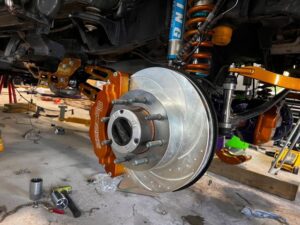
From high-horsepower street and competition vehicles to trucks seeking extra stopping power while towing or hauling, performance brakes cover just about all corners of the aftermarket.
“The performance brake category continues to move decisively toward premium, engineered solutions that deliver not only higher stopping power, but also greater safety, control, durability and vehicle integration,” says Greg Tackett, vice president, Brembo North America Aftermarket. “In the automotive aftermarket, this creates a significant opportunity for upgrade products that bring true motorsport technology and OE expertise to enthusiasts, performance drivers and shops looking for trusted, application-specific solutions.”
Many projects involve older vehicles upgrading to modern braking performance.
“With improvements in aftermarket brake design and performance over the past decade, when a vehicle owner builds or has a shop build a car, they expect more these days from the brake systems being installed,” says Michael Hamrick, events and promotions manager for Wilwood Disc Brakes. “Most chassis components including brakes, suspension and even wheels and tires have improved so much, so your daily driver or weekend warrior has become a much better handling and performance vehicle than you drove 10 years ago with more advanced engineering. Suspension and aftermarket spindle manufacturer improvements now incorporate our Wilwood performance brake products to completely transform an older car or truck from the late 1960s-70s.”
Accessorization is moving the segment forward.
“The performance aftermarket has grown significantly, as enthusiasts and truck owners continue modifying their vehicles with increased horsepower, suspension upgrades, lift kits and larger wheel and tire packages,” says Tom Reid, president and CEO of SSBC-USA. “As these modifications push vehicles beyond their original factory design parameters, brake performance has become more critical. Today’s consumers better understand that improved acceleration, towing capability and handling must be matched by braking systems capable of safely controlling those added demands.”
Individual niches are reaping the benefits.
“If we look at the early domestic market (restomods, Pro-Touring builds, etc.) there are far more options available today, and the parts selection continues to expand,” says Rick Elam, director of brakes at Baer Brakes. “With all the new chassis and spindle options for these vehicles, builders now have access to a much broader and more capable range of brake systems that can be tailored to fit virtually any intended use of the vehicle. We’re also seeing the adaptation of late-model technology into these early cars, including iBoosters, ABS and electric parking brakes.”
For shops, the market’s growth has progressed with professionals in mind.
“The performance brake market, mirroring trends across the aftermarket, has undergone a significant evolution in its approach to installer-focused design,” says Bill Cummings, president of LEED Brakes. “Today’s kits boast enhanced ease of installation, greater completeness and a wealth of embedded knowledge. Driven by years of customer feedback regarding past struggles, many companies have proactively identified and addressed these pain points in their product development.”
Today’s systems feature top-quality engineering and construction.
“Advancements in friction materials, rotor technology, noise reduction and heat management have improved brake performance while reducing dust and maintenance,” says Shyan Chachi, vice president of Dash4 Brakes. “Today’s customers expect OE-level comfort combined with heavy-duty stopping capability, longer service life and reliable performance under more demanding operating conditions.”
And advancements are continuing.
“Cars continue to get faster as massive amounts of horsepower are easier to attain. Of course, the vehicles then still need to slow down,” says J.C. Cascio, director of business development for Strange Engineering. “With late-model cars getting heavier with today’s safety standards, the brakes are pushed to their limits. We need to continue to evolve the rotors, calipers and related parts to handle the weight and speed while working within the dimensions of the wheels. Most drag racing vehicles still use 15-inch wheels, so rotor diameter is limited.”
Through it all, performance brakes customers have become more knowledgeable regarding available systems and their uses.
“The majority of searches and product discoveries now start online,” says Brian Rowland, chief commercial officer at PowerStop LLC. “While the expert guidance consumers receive at the local installer level remains very important, the internet is truly the ‘front door to the store.’ Also, consumers want a full brake service, including brake pads and brake rotors, for safety, convenience and peace of mind.”
THE LOWDOWN ON SLOWDOWNS
For many customers, professional recommendations and installation are needed to fit the safest, best-stopping brakes to their vehicle. The process starts with information regarding how the systems will be utilized.
“Thorough upfront questioning isn’t just helpful; it’s absolutely critical,” says Cummings. “Failing to meticulously gather information about the customer’s exact vehicle specifications and their long-term vision is a recipe for misdiagnosis, incorrect parts, fitment nightmares and, ultimately, a dissatisfied customer. Investing the time to ask detailed questions at the outset streamlines the entire process, ensuring you guide them to the right product the first time.”
Such questioning can reveal minor changes that can have a major impact on brake performance.
“Sometimes customers assume the car is still completely stock and don’t account for spindle or rear-end changes that may have happened over the years,” Elam notes. “A very common return involves rear brake backing plates (for parking brake), along with hubs and brackets for front spindles. For example, someone may assume an early Mustang still has its original spindle setup without realizing that, sometime during the life of the car, it was converted to a big-pin spindle or a Torino-style big Ford rear end. Brake kits are extremely specific to the spindle and rear-end housing being used—just like a door handle, one part does not fit every application.”
The gathered information is crucial to project success and driver enjoyment, says Hamrick.
“Will it simply be a daily driver or a cruiser? Do they plan to autocross or occasionally track the vehicle? Do they want a manual or a power brake system and how much horsepower do they plan on having? If the shop does not select parts that will meet the customer’s build level or expectations and the parts do not work well together, it will likely not match the customer’s needs. Using recommendations from the manufacturers and taking these conversations as an educational opportunity will help not only the shop building the vehicle but also, most importantly, the customer.”
Strong communication can also widen a shop’s customer base.
“Performance brake upgrades are for more than just racing or high-performance vehicles,” says Chachi. “Commercial fleets, towing applications, work trucks and daily-driven vehicles all benefit from upgraded braking systems through improved stopping power, better heat management, increased safety and longer brake life.”
The importance of a quality braking system to driving safety can’t be overstated—and shouldn’t be undersold.
“A lot of shops seem hesitant to lean into recommending more premium options like performance brakes to their customers,” Rowland observes. “Our research indicates drivers are willing to pay for the added value of premium brake solutions. Everyday drivers want great stopping power and zero fade in stop-and-go traffic. Brakes are not something they want to be worrying about. Selling into the premium segment not only gives consumers the solutions they’re looking for but also helps drive increased revenue and profit for the shop.”
Components designed to work together alleviate potential problems, says Tackett.
“Many customers believe that bigger calipers or rotors alone create a true performance upgrade, when in reality an effective system must be fully engineered to work with the vehicle’s factory brake balance, ABS and stability controls to deliver both performance and safety,” he says.
Also, larger calipers and more pistons may require a larger volume of brake fluid.
“The brake kit alone does not necessarily improve all aspects of the brake system,” says Cascio. “When upgrading brakes on a vehicle, one must consider the master cylinder, proportioning valve, line lock and leverage ratio to make sure the system works correctly and efficiently.”
Reid explains how quality street systems are often designed to work with the latest technology.
“A common misconception is that upgrading calipers requires extensive modifications or replacement of OEM components such as rotors, brake pads, brake lines, master cylinders, boosters or even wheels,” he says. “Our kits dramatically improve stopping power while maintaining compatibility with factory brake system components. They also do not require proprietary rotors or pads, and our calipers are engineered to fit within OEM wheel applications whenever possible.”
POWERFUL CONNECTIONS
Sales strategies for performance brake systems often start with the power numbers that are so prevalent in today’s market.
“Horsepower upgrades are one of the most popular modifications people make, so it’s always important to remind customers—especially considering the age of many of these vehicles—that suspension and brakes should be upgraded along with the powertrain,” says Elam from Baer Brakes. “If a customer is interested in brakes, make sure to discuss wheel size, the spindle and rear-end combination currently in the car, and the importance of evaluating the entire brake system as a whole.”
There are plenty of opportunities to be found, once shops understand their customers and their vehicles.
“Classic, late-model, enthusiast and family vehicles are all great options for premium products,” Rowland explains. “If your customer drives in heavy traffic, tows a boat or has a lifted Jeep, chances are high that they’re looking for improved performance over the original manufacturer’s equipment. Products like PowerStop are not only designed to operate at a very high level, but drive repeat purchases for shops through clean, quiet and consistent performance.”
Distinguishing between subtle differences can help shops build a reputation as the area’s local brake expert.
“There’s a fine line if the customer has a race car they drive on the street, or a street car they take to the track,” says Cascio from Strange Engineering. “By understanding the ultimate goal of the build, it’s easier to map out the proper combination of the braking system. No one wants to spend money twice. Getting the rotors, calipers, pads and related parts right the first time around only benefits everyone involved.”
Choosing the right brake kits the first time turns into repeat business and attracts new customers that know the shop has a winning formula.
“Use proven methods and a chassis component matching process that works, as some aftermarket products are uniquely designed to work well together. For example, Wilwood makes specific brake kits that work with certain manufacturers’ spindles, so there is no guesswork. If a wheel and tire size fitment on a particular vehicle has worked well with a suspension and brake package selected, then it will likely work again,” says Hamrick. “Another opportunity for sales are easy Wilwood upgrades, where shops can simply change brake pads in the vehicle to match their level of driving performance a year later without having to change the entire brake system.”
When it comes to important purchases, drivers want to work with businesses they trust.
“Boost sales with expert service and proactive performance solutions,” says Cummings from LEED Brakes. “When diagnosing brake issues, proactively educate customers on past experiences and the advantages of performance upgrades. Set clear expectations about the value of performance options. By consistently delivering on promises, you create satisfied customers open to future upgrades. Understanding their long-term goals allows you to strategically position performance brakes as a key part of their build, thereby driving higher sales.”
Quality brake systems are built to last, increasing return on investment.
“A strong way for shops to maximize performance brake-related sales is to educate customers on the long-term value of upgraded brake components rather than focusing only on upfront price,” Chachi reveals. “Recommending complete brake solutions—including pads, rotors, hardware and fluid—helps improve performance, safety and longevity while increasing ticket value. Shops can also identify customers with towing, fleet, heavy-load or high-mileage applications who will benefit most from heavy-duty performance brake upgrades like Dash4 HD.”
Some drivers don’t realize they need better brakes until a professional explains how their specific vehicle usage stresses the factory system.
“To maximize performance brake sales, shops should connect brake upgrades to how customers actually use their vehicles—such as spirited driving, towing, larger wheels or added power—and position a Brembo system as the essential upgrade that keeps stopping performance aligned with the vehicle’s increased demands,” says Tackett.
Once a vehicle gains weight, receives a lift kit or moves to larger wheels and tires, the factory brake system is often operating outside of its original design intent, agrees Reid from SSBC-USA.
“Many customers invest in modifications that improve speed, handling, towing or appearance, but braking performance is often overlooked until stopping distance, pedal feel or driver confidence becomes an issue,” he notes. “Shops that educate customers early about the importance of braking upgrades create both safety value and sales opportunities. In many cases, a simple caliper upgrade can dramatically improve stopping performance while giving drivers confidence that their truck, cargo, passengers and families are protected—whether it’s a work truck or daily driver.”
PERFORMANCE BRAKE COMPONENTS
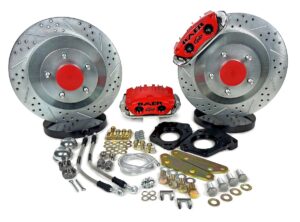
HOT PRODUCTS: Classic Series Brake Kits
FEATURES & BENEFITS: Complete-per-axle kits offered for a wide variety of early vehicles; direct bolt-on installation; modern components at an affordable price; aluminum front calipers; red powder-coat; rear parking brake; OE pad shapes for easy replacement.
Baer Brakes
Rick Elam
Director of Brakes
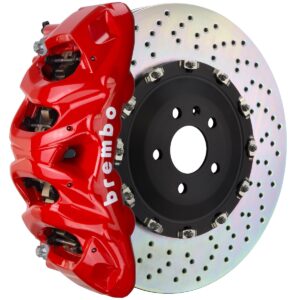
HOT PRODUCTS: Brembo GT Systems
FEATURES & BENEFITS: Popular upgrade for consumers seeking a high-performance brake system upgrade specifically engineered for their vehicle; weight savings versus iron disc systems; carbon-carbon (C/C) disc constructions can last the life of the vehicle.
Brembo North America Aftermarket
Greg Tackett
Vice President
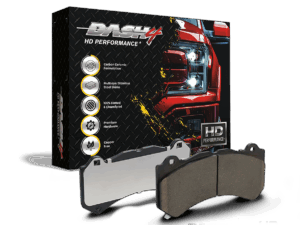
HOT PRODUCT: Dash4 HD Performance Brake Pad Line
FEATURES & BENEFITS: Engineered for heavy-duty fleets and demanding commercial applications; delivers improved stopping power, reduced brake fade, low-noise performance and long service life under extreme conditions; incorporates U.S.-made shims.
Dash4 Brakes
Shyan Chachi
Vice President
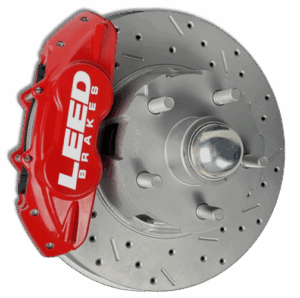
HOT PRODUCTS: MaxGrip Lite 4-Piston Front Disc Brake Kits
FEATURES & BENEFITS: Popular for classic and muscle cars; deliver a substantial upgrade in braking performance, safety and aesthetics; straightforward installation process; multi-piston calipers with high-performance MaxGrip XDS rotors; clear most 14-inch and larger wheels.
LEED Brakes
Bill Cummings
President
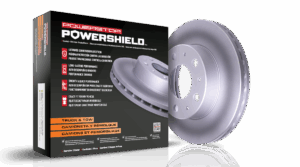
HOT PRODUCTS: PowerStop PowerShield Rotor Line
FEATURES & BENEFITS: FNC heat-treatment process transforms and hardens the rotor by diffusing nitrogen and carbon into the surface of the iron for rust and corrosion protection; offered in four platforms: Fleet, Muscle, Electric and Truck & Tow; clean appearance.
PowerStop LLC
Brian Rowland
Chief Commercial Officer
HOT PRODUCTS: SSBC-USA B8 Barbarian & B8 Brawler Series
FEATURES & BENEFITS: American-made, direct-fit, 8-piston billet aluminum caliper upgrade kits designed for 1/2-, 3/4- and 1-ton trucks; one of the largest piston and brake pad contact areas available in the market for improved stopping performance and heat management.
SSBC-USA
Tom Reid
President/CEO
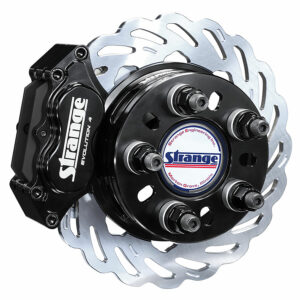
HOT PRODUCTS: Evolution Series Brake Kits
FEATURES & BENEFITS: Popular in the drag racing and Drag & Drive segments; Evolution S Rotors mount to billet aluminum DDM hats for reduced rotating weight; rotors measure 11.25 inches OD with 0.355-inch thickness; 4-piston billet calipers provide maximum clamping force.
Strange Engineering
J.C. Cascio
Director of Business Development
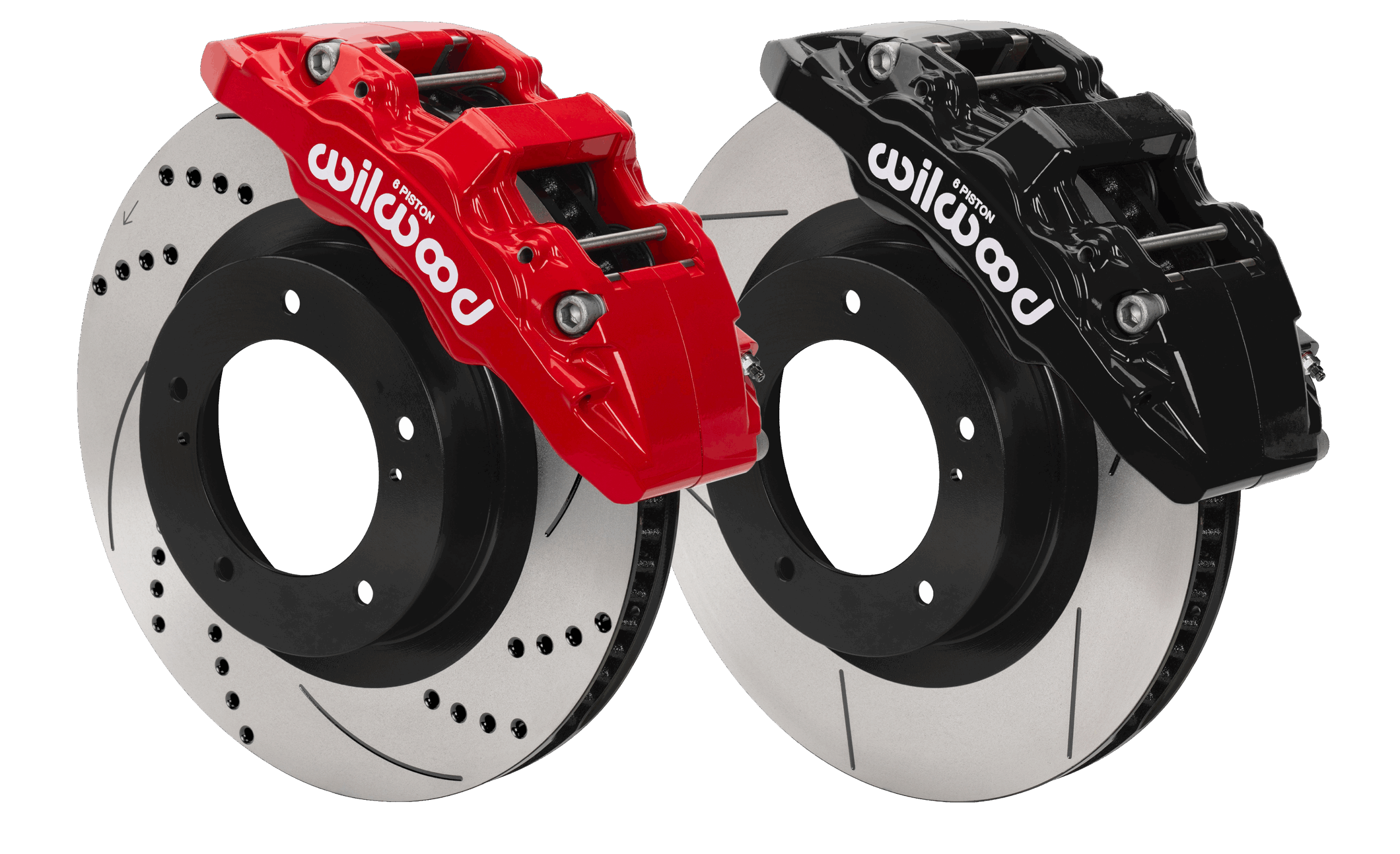
HOT PRODUCTS: Aero6-DM Direct Mount Front Brake Kits
FEATURES & BENEFITS: True front brake upgrade for many late-model 1/2-ton and midsize trucks and SUVs; fit most 17-inch and larger wheels; easy bolt-on installation with the calipers directly mounted to the factory location; 6-piston Aerolite aluminum calipers; vented rotors.
Wilwood Disc Brakes
Michael Hamrick
Events and Promotions Manager