Porsche Mission S Previews Mid-Engine Super Sports Car Platform
New concept car previews the brand’s next-generation design language blending heritage-inspired styling with a driver-focused cockpit…
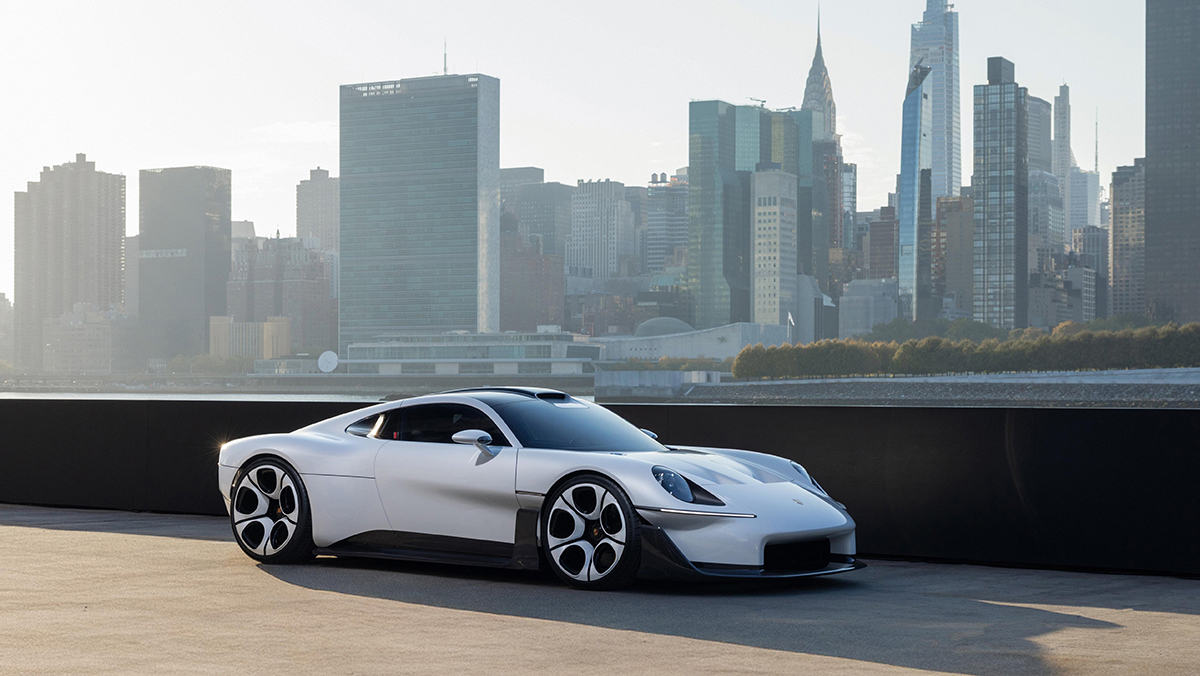
As part of its “Sportwagenschmiede 35” strategic realignment, Porsche has revealed the Mission S, a forward-looking model that represents the brand’s vision of its evolved design identity, company officials stated in a press release.
“A Porsche must be recognizable as a Porsche at first glance,” said Michael Leiters, chairman of the executive board of Porsche AG. “The Mission S provides a glimpse of the ideas and design features that will shape Porsche in the coming years. At the same time, the Mission S represents a mid-engined super sports car platform positioned above the 911, not as a one-off hypercar, but as a permanent and versatile addition to our customer offering.”
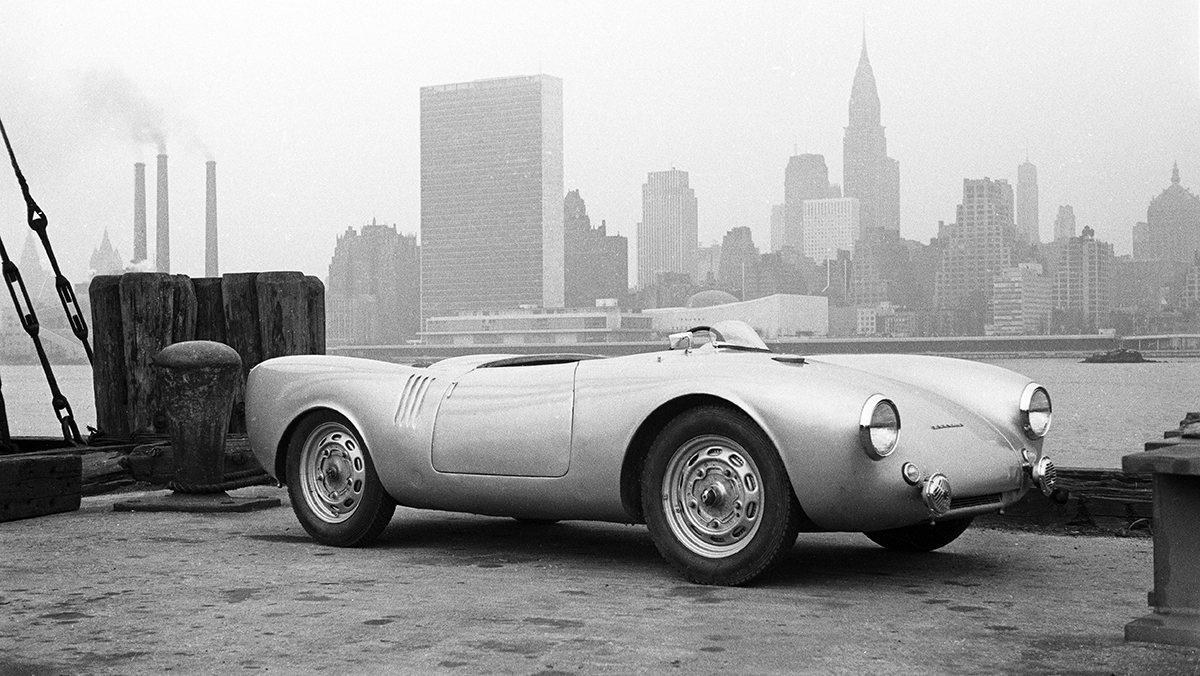
The Porsche Mission S celebrated its world premiere on Oct. 16 at a pier in Queens, New York, with a view of the Manhattan skyline. The first pictures of the mid-engine Porsche 550 Spyder were taken on this same pier in 1953. As the brand’s first super sports car, the 550 Spyder is regarded as having defined the company’s identity. By choosing this location, Porsche is emphasizing the importance of its history for the future of design and brand, a claim that is also reflected in the Mission S, the release noted.
“The Mission S is the result of a forward-looking, holistic design strategy,” said Tobias Sühlmann, head of style Porsche. “This vision model illustrates a fundamental strategic direction that we will soon be translating into our future product portfolio.”
The Mission S combines a powerful mid-engine super sports car platform with a clear design language inspired by historic Porsche icons. Inside, the focus is on driver-oriented ergonomics and a forward-looking combination of analog and digital controls. The deliberate reduction of digital surfaces focuses on direct interaction between driver and vehicle.
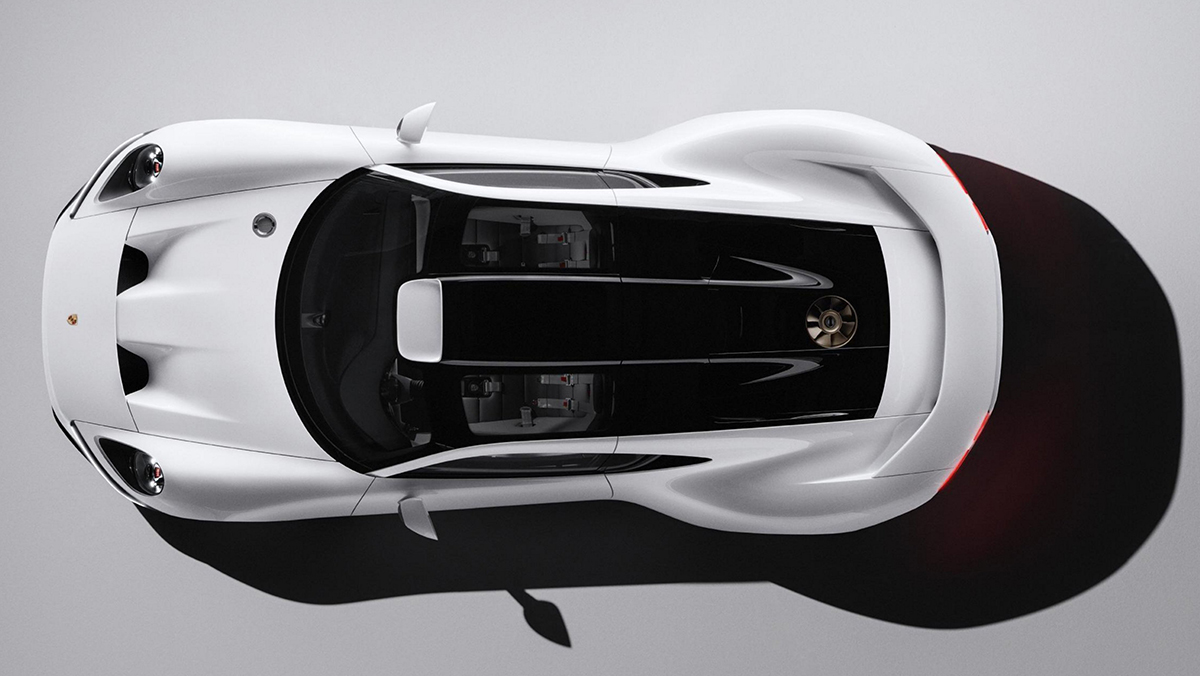
Mission S Exterior Draws on the 911, 959 & GT1
The exterior of the Porsche Mission S translates typical Porsche design features into the future while maintaining the characteristic torpedo fenders, the iconic roofline and the dramatic width-to-height ratio, which are central elements of the sports car architecture. This results in what are known as “floating volumes,” flowing forms and surfaces that seem to float. The goal is to create a powerful, technical-looking sculptural appearance and effectively showcase the performance character of the car, the company said.
Attention went to the car’s clean lines, with a wraparound main line connecting the light signatures at the front and rear, creating an overall appearance that is harmonious and striking. Above this line, the surfaces emphasize muscularity and dynamic capability, while the areas below make technical functions visible and emphasize the lightweight construction philosophy. Historic Porsche icons served as a source of inspiration. The round headlights and the fenders, which not only echo the familiar “torpedo” design but also make the side profile more present, are reminiscent of the 911.
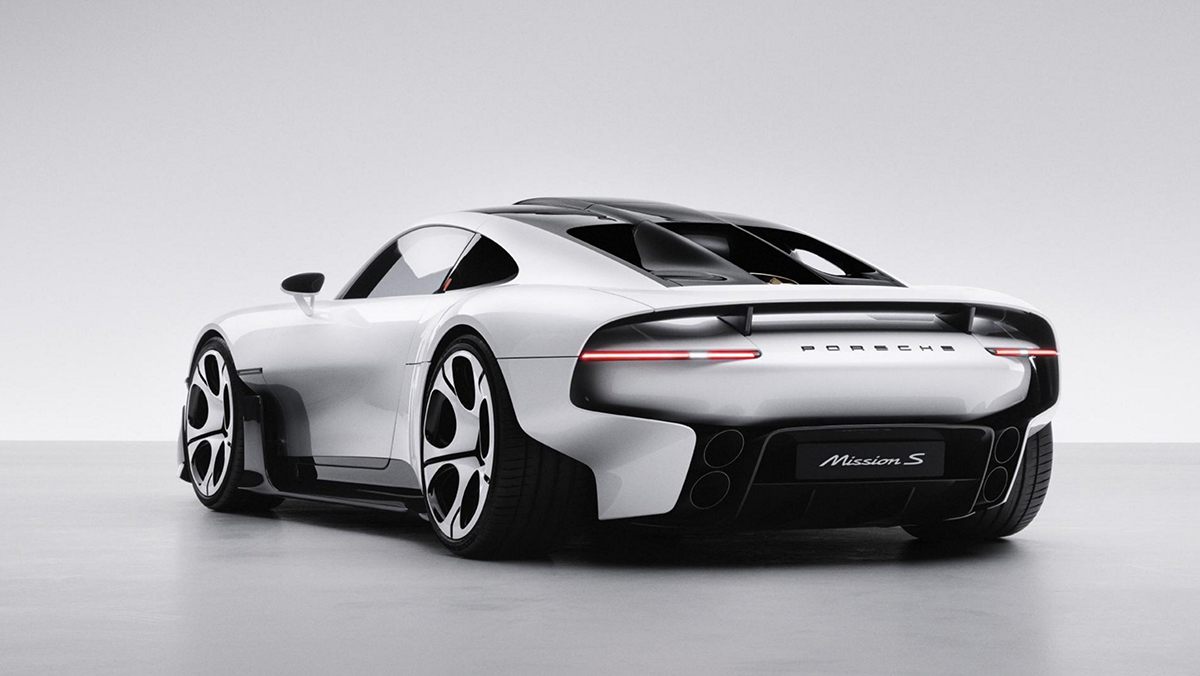
The shut lines that merge into the light graphics pay homage to the G model 911 built from the 1974 to 1989 model years. The flat front takes its cue from the 911 GT1, while the roofline beneath the rear wing is reminiscent of the 959. In the Mission S, it extends through to the rear of the car. Another highlight is the car-in-car concept at the rear, derived from the GT1.
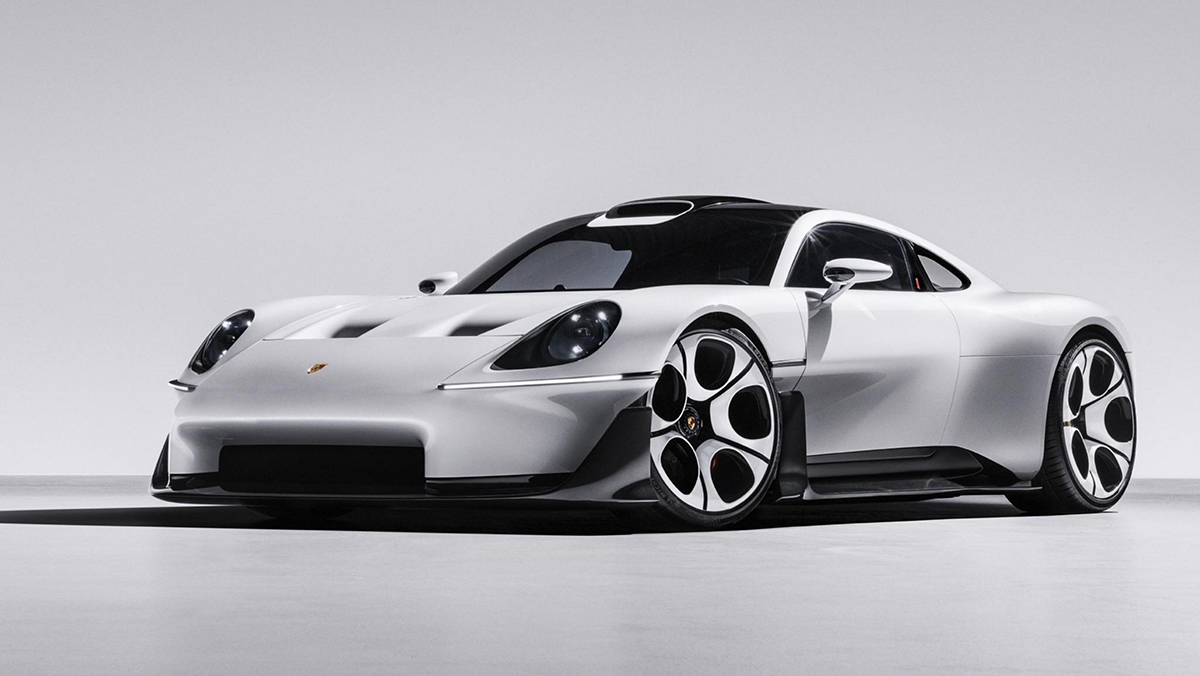
Mid-engine architecture characterizes the proportions of the show car. The engine is positioned centrally in the vehicle, which makes the familiar flyline possible. Technical details, such as the cooling solution reminiscent of the Porsche 917’s radiator fan or the fully integrated active rear wing, combine function and design in typical Porsche fashion, officials noted. The wheels, based on the iconic dial design of the 928, feature a new design concept that is systematically geared toward lightweight construction.
Driver-Focused Interior Inspired by the 550 Spyder & 356
Inside, the Porsche Mission S represents a return to the core values of sports car engineering. The interior architecture is based on historic Porsche sports cars such as the 550 Spyder and the 356. Two defining lines run through the dashboard and doors to convey the characteristic feeling of sitting deep within the car and create a visual link to the exterior design. At the same time, they create a clear, timeless appearance that directs the eye to the essentials.
A smooth transition between analog and digital controls makes the interior feel familiar and modern. Classic switches and buttons are combined with modern displays, creating an ergonomic layout that combines the familiar with the future. The seats also follow this approach. New technical solutions, such as an integrated seatbelt buckle in the center panel and repositioned electric adjustment controls, combine comfort, functionality and motorsport DNA.
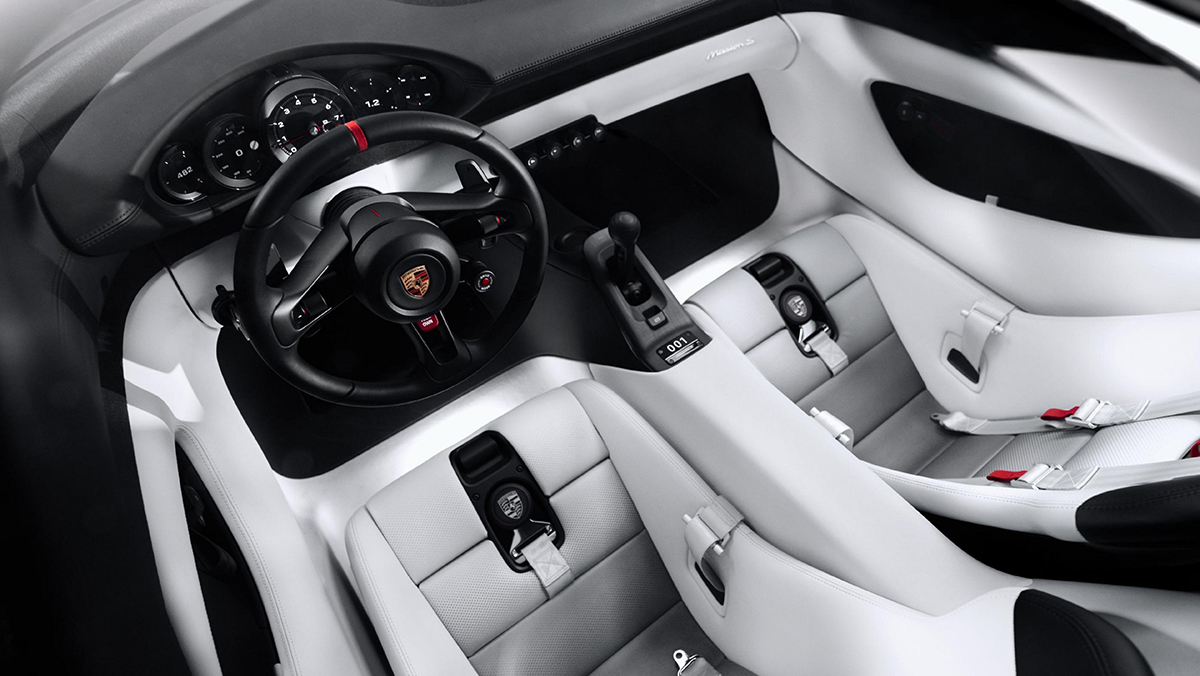
In terms of color, the show car draws on the tradition of Porsche racing cars with white, gray and red tones. The specially developed colors—Firn White Metallic, Light Red Metallic, Black Chrome and Special Black in the interior—reinterpret the classic Porsche Motorsport colors and emphasize the visual link to the brand’s sporting core, the company said.
Analog & Digital Controls With No Fixed Center Display
In addition to the further developed interior architecture, the focus is on the driver experience. The aim is to create an ideal symbiosis of analog and digital controls. Rather than additional displays and functions, the concept focuses on simplicity, clarity and intuitive operation.
The driver’s axis forms the heart of the concept. The systematic alignment of all the controls toward the driver, combined with a mix of haptic and digital feedback, creates a direct user experience. Highlights include the characteristic five-tube instrument cluster design behind the steering wheel. At the center is the tachometer with an analog needle and a display positioned behind it. Depending on the driving mode, the tachometer moves closer to the driver to further enhance focus. The arrangement of the round instruments also adapts to the selected drive mode, with the tubes positioned either side by side or behind one another to meet the needs of the driver, depending on the mode selected.
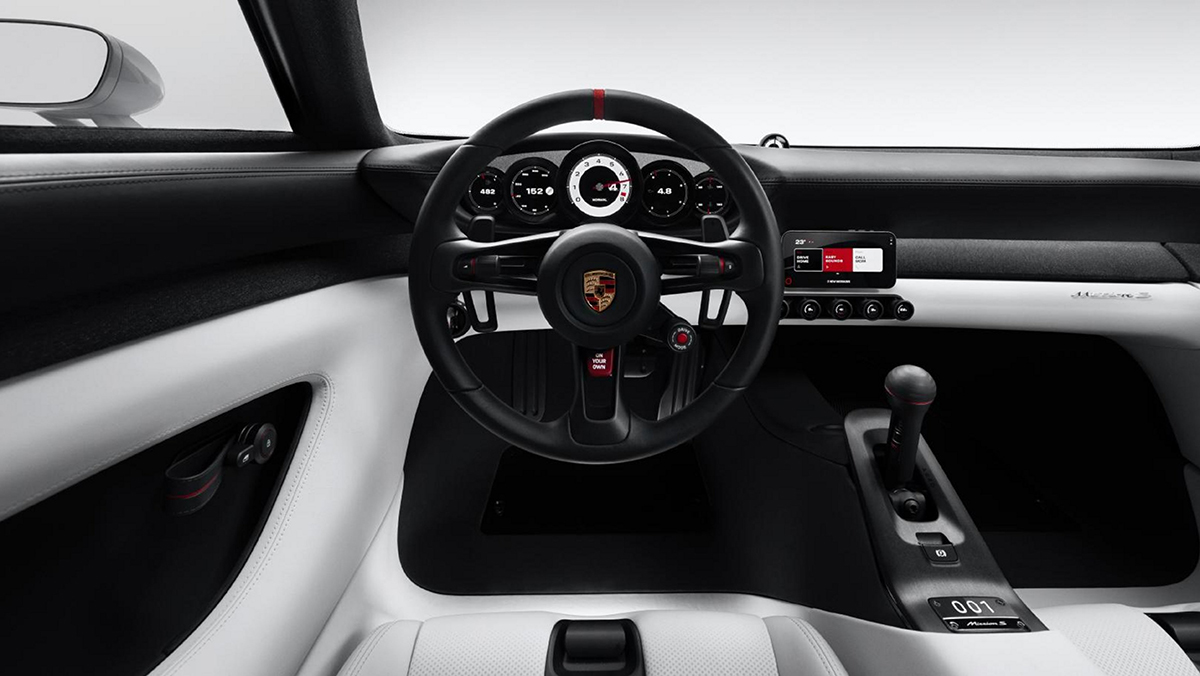
Other innovations include the holder for the specially designed key, which is positioned to the left of the steering wheel, as is customary at Porsche, and the new control elements in the dashboard with a push-pull function, which allow direct access to various comfort and driving functions. The reimagined Sport Chrono element also combines analog character with digital precision.
Porsche has chosen not to include a permanently integrated center display or a fixed passenger display in the dashboard. Instead, a retractable smartphone system compatible with MagSafe technology has been designed for use as needed. A smartphone can serve as a navigation or information display if desired. The My Porsche App provides access to all functions and allows users to select digitally rendered, historically inspired designs for the circular instruments. Porsche said the result is an interior concept that puts the driving experience first while offering maximum flexibility and convenience.
Porsche Plans a Permanent Super Sports Car Above the 911
Above the iconic 911 sports car, Porsche is planning, for the first time, a permanently available super sports car offering. The objective is the highest level of engineering excellence and maximum flexibility. This is underpinned by decades of motorsport experience, innovative and brand-defining technology and the forward-looking design unveiled with the Mission S, the company said.