SEMA Responds to Supreme Court Decision Striking Down Trump Tariffs
SEMA releases statement after U.S. Supreme Court's 6-3 ruling against tariffs issued under IEEPA...
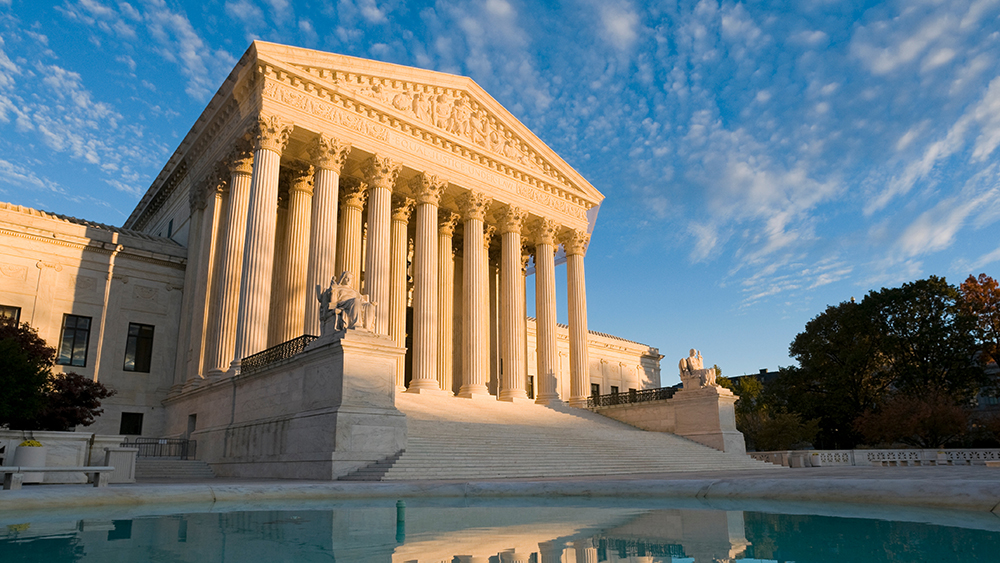
On Friday, Feb. 20, news outlets reported that the U.S. Supreme Court ruled that President Trump’s blanket tariffs are illegal (you can read the full story on the court’s decision on Reuters). Since the court established that the U.S. Constitution grants Congress the authority to impose taxes and tariffs, not the president, Yahoo! Finance and other outlets have been releasing continuous updates on the evolving situation.
Shortly after the U.S. Supreme Court’s 6-3 ruling to strike down the Trump Administration’s tariffs issued under the International Emergency Economic Powers Act of 1977 (IEEPA), the Specialty Equipment Market Association (SEMA) made the following statement:
“SEMA hopes this court decision enables the space to establish a transition period where American companies can reshore their operations, diversify their supply chains and re-establish their domestic manufacturing capabilities. We encourage President Trump to continue to remove regulatory barriers that hamper the ability of small manufacturers to thrive domestically.”
Background
- Tariffs on automotive parts, as well as steel- and aluminum-derivative items, are not impacted by this legal decision. SEMA will continue to advocate for a level playing field for those who depend on domestically sourced raw materials.
- The automotive aftermarket that SEMA represents has an annual economic impact of $337 billion, supporting more than 1.3 million American jobs.
- The vast majority of SEMA member businesses, and of the broader automotive aftermarket, are small, domestic manufacturers who are committed to Made in America principles.
- SEMA, in a previous letter to the Trump Administration, has urged the use of incentives that support American manufacturers as they transition their capabilities, including tariff exemptions for things like molds, tooling and machinery brought back to the United States, as well as tax incentives to offset the associated costs.