Higher Power: The Growing Aftermarket Allure of Rooftop Tents
A highlight purchase for many adventure travelers, rooftop tents continue to stand tall on trucks, SUVs & more...
This article on Rooftop Tents originally appeared in the September 2026 issue of THE SHOP magazine.
As the off-road market continues to expand, accessory shops are encountering a wider range of customers, all with one goal in mind: getting away from it all. And, at the top of their shopping list—literally and figurately—are rooftop tents.
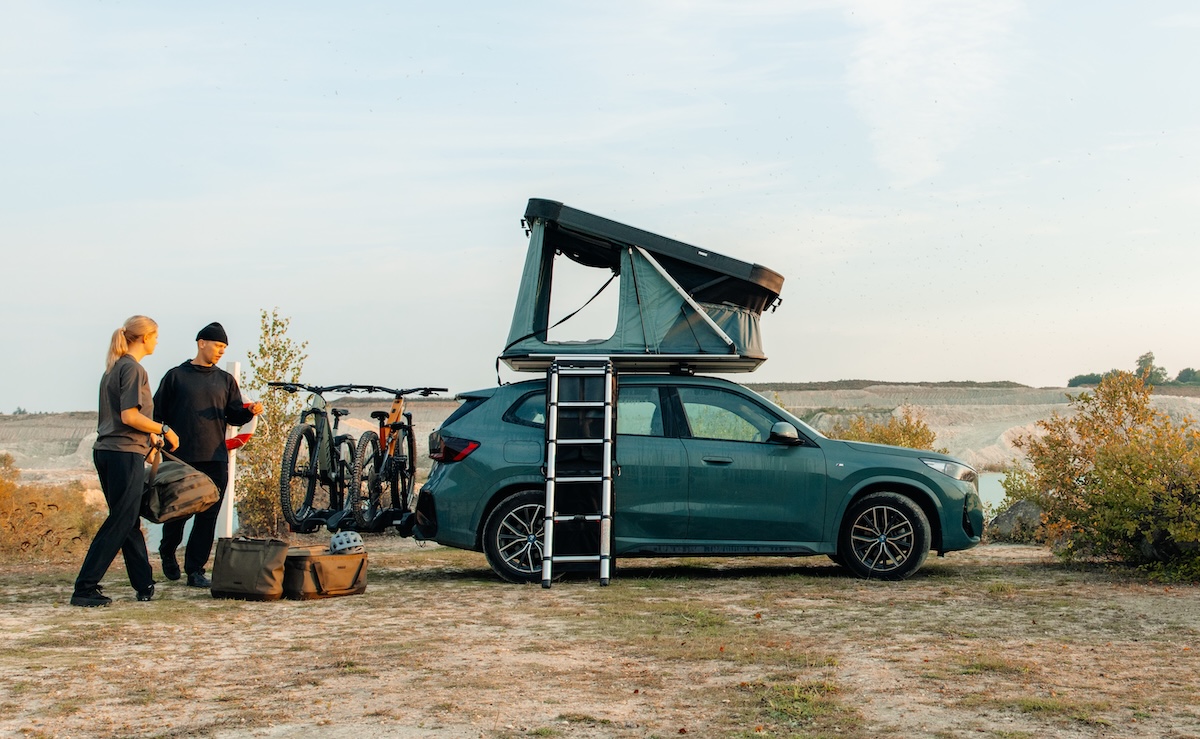
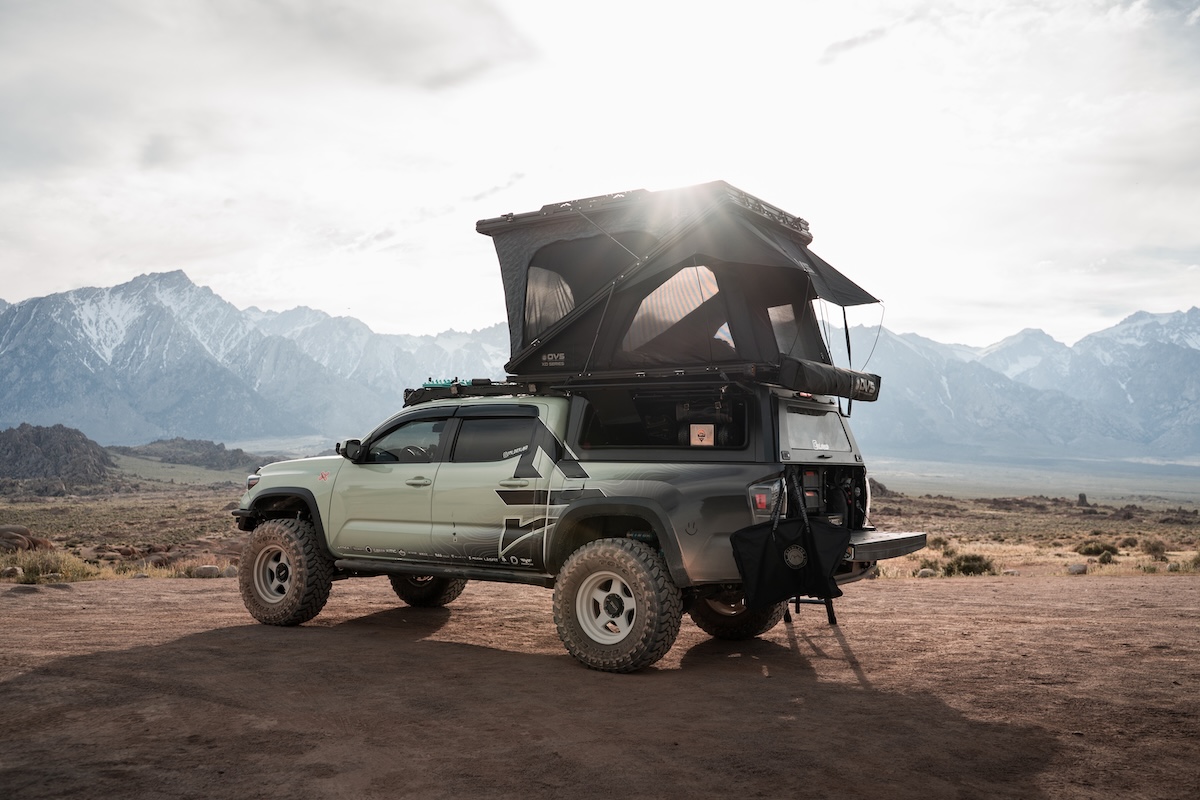
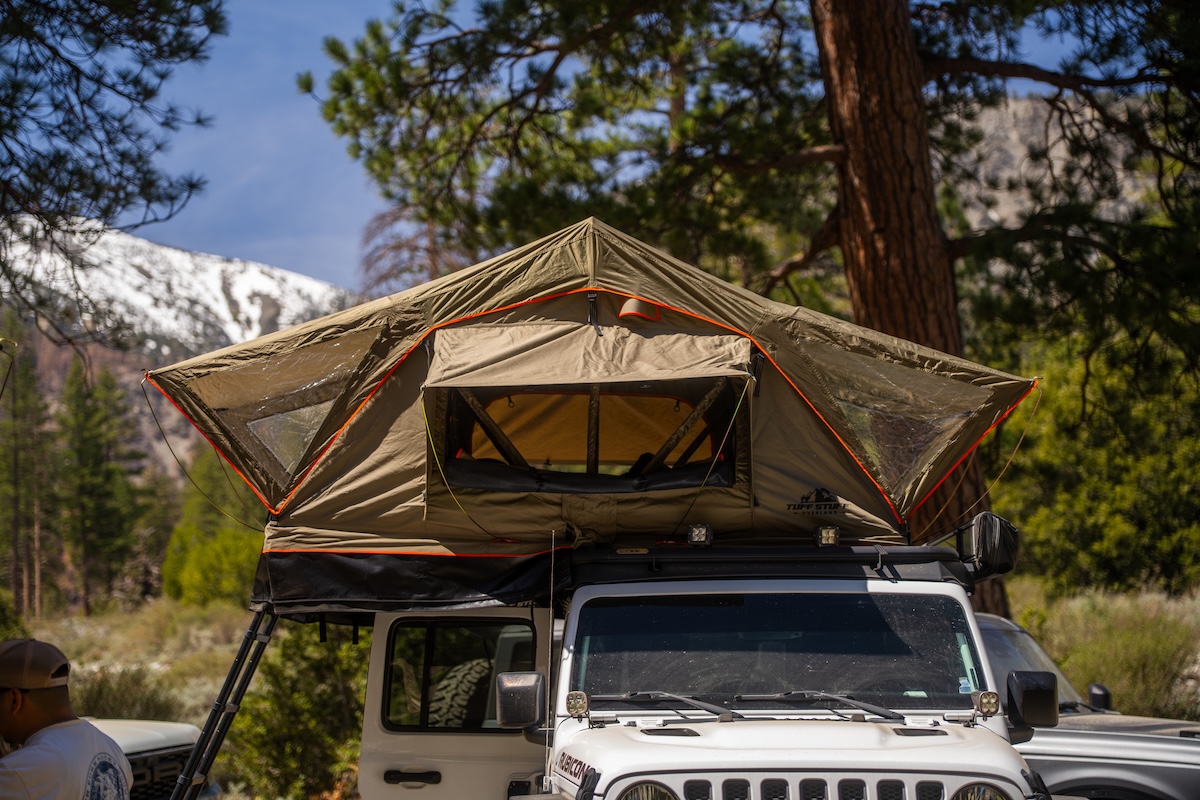
Available in hardshell and softshell designs and with features ranging from viewing windows to LED lighting, it’s more common than ever to find an overlanding vehicle outfitted with a quick and easy rooftop tent (RTT). Not just for Jeeps and SUVs, there are systems created for nearly any adventure traveler.
For shops, some basic knowledge of the various model features and an attractive showroom display are the first steps toward becoming a successful RTT retailer and installer. Manufacturers are then available for more in-depth instruction, including observations on industry trends, effective sales strategies and hot new offerings.
INNOVATION & EFFICIENCY
Now is a good time to enter the rooftop tent market, as the client base is strong, growing and knows what it wants.
“Overlanding has become much more mainstream, and customers now expect premium features that were once considered upgrades,” says Michelle Bates, marketing manager for Overland Vehicle Systems (OVS). “Faster setup, hard-shell construction, four-season performance and integrated accessories have become the new standard. Buyers are also looking for products that support complete vehicle-based adventures, not just a place to sleep.”
Once an aspirational component, RTTs are now accessible to all types of drivers.
“Ten years ago, an item such as this was priced at a luxury item,” says Lyle Willis, from the business development office at Rough Country. “We’ve created a quality product at a very reasonable price point.”
Rooftop tents make for an impressive sight, sitting proudly on top of an adventure vehicle. Recent innovations allow the sturdy structures to offer unexpected weight savings.
“Just in the last few years, weight has become a big factor in customer buying decisions,” says Charlie Mora, sales manager for Tuff Stuff Overland. “Drivers are looking for tents that are easy to take on and off their vehicles and will not affect their gas mileage too much.”
Improved ease of use is another impactful change that’s hit the market, says Dan Caridi, associate category manager – adventure camping for Thule.
“Tents open and close easier, and electronic integration has become standard,” he notes. “Dimmable LED lighting is almost ubiquitous in hardshell tents now, whereas just a few years ago it was a rare upgrade. Mattresses have gotten so much better over that time, too.”
Tough and ready for hard trails, the units are attractive to overlanders seeking quality and reliability.
“The category has matured significantly. Ten years ago, you were explaining what a rooftop tent was. Today customers walk in having done their research—they know the category, they’ve seen the options and the best of them are asking about rooftop campers,” says Scott Taylor, president of Mammoth Overland. “They want hard walls, real insulation, onboard power and a product that doesn’t feel like a compromise.”
As the RTT market expands, quality manufacturers are offering broader product lines.
“With COVID lighting a fire under many to get outside, we now have a larger, more diverse consumer set for rooftop tents, which has allowed brands like us to expand and improve our offerings,” says Chris Horton, Yakima senior category manager. “We can focus on making them better, lighter and faster to set up, with additional features and comfort. The category is still immature, but it’s starting to grow up.”
THE RIGHT FIT
Many customers assume every rooftop tent fits every vehicle.
“In reality, proper fitment depends on the vehicle’s roof load capacity, rack system and how the customer plans to use it,” says Bates. “Taking the time to educate customers on compatibility and installation leads to a better experience and fewer issues down the road.”
While not necessarily one-size-fits-all, rooftop tents are surprisingly versatile for many applications.
“Often the only limiting factor is the roof rack weight capacity,” Mora reveals.
Systems are available for a variety of off-road-capable vehicle models, says AJ Tate, from the business development office at Rough Country.
“A common misconception is that these are made just for Jeeps and SUVs. But there are several applications, from truck bed racks to overlanding trailers, with rooftop tents mounted on them.”
And, although overlanding is an important market segment, it’s not the only segment, says Caridi.
“There’s a real shift toward more of a weekender crowd that really values the ease of use and comfort these tents can provide. Especially as tents continue to come down in weight, the number of cars that these tents are compatible with is ever-expanding,” he reveals. “Once a tent crosses 165 pounds, it starts to eliminate something like 20% of the cars it could otherwise mount on, since that’s roughly where a lot of factory roof racks hit their dynamic weight limit. We kept Thule Widesky at 147 pounds so that it’ll mount just as easily on a midsize SUV as a fully kitted Tacoma.”
Horton notes that many “less hardcore” users are often the most appreciative of the benefits of a hardshell rooftop tent.
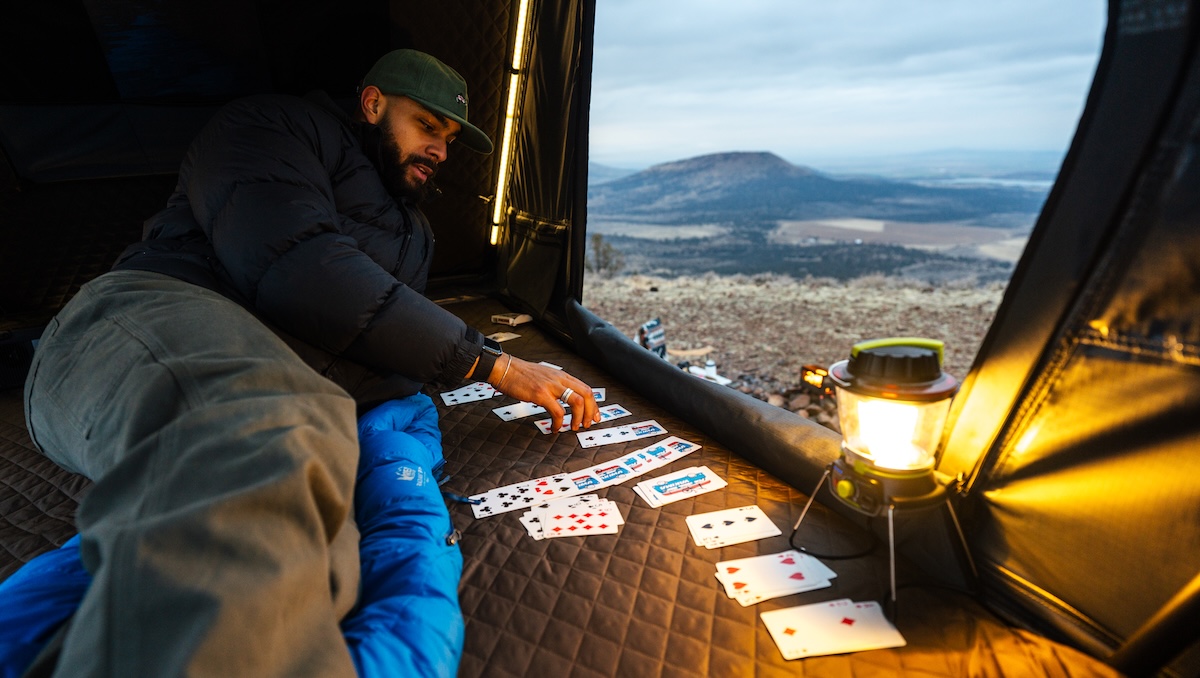
“They like the treehouse view and separation from ground critters,” he says. “There are fewer parts and less complexity for setup and teardown, plus the extra wind and weather protection. All of this makes it more comfortable than a ground tent or even a softshell tent for people that are more timid with the outdoors.”
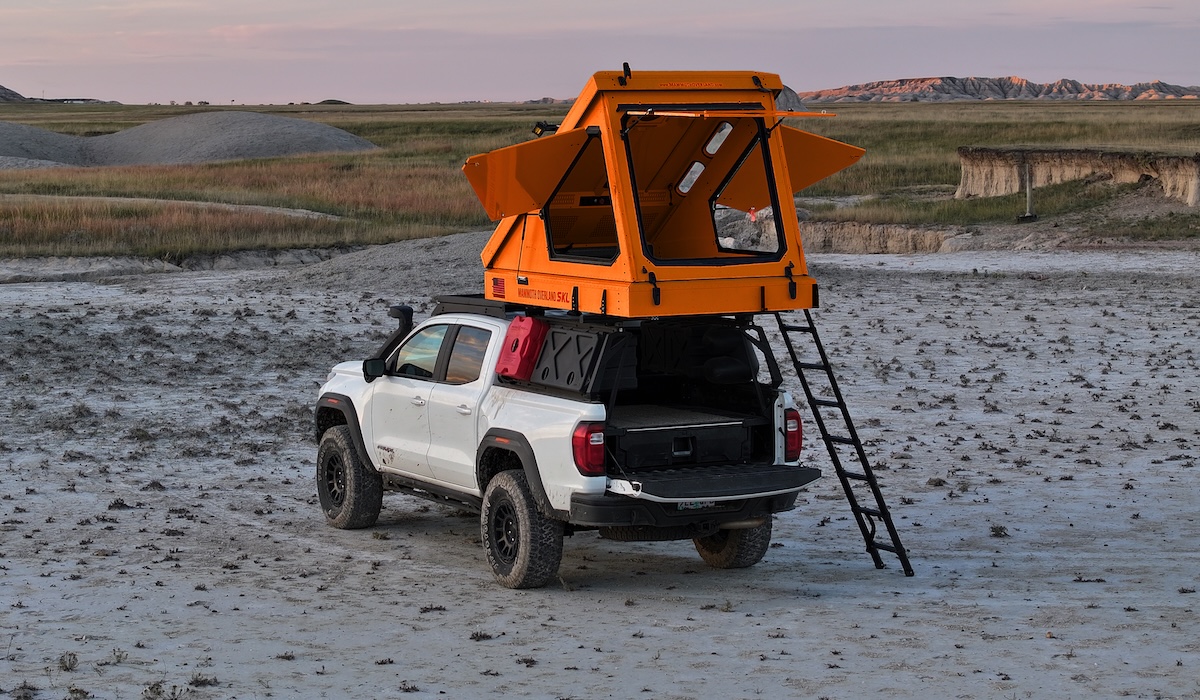
Taylor explains that Mammoth’s SKL rooftop camper is a long way from a lighter softshell RTT. Shops that understand the full breadth of today’s offerings will be the most effective at directing drivers to the proper setup for their unique adventures.
“The buyer shopping for a rooftop camper is making a considered purchase and they know it,” he says. “They’ve done the research, they understand what they’re paying for and they’re looking for something they won’t regret. A shop that helps a customer understand the differences is doing them a genuine service. The conversation isn’t about price—it’s about what they’re actually getting for the money.”
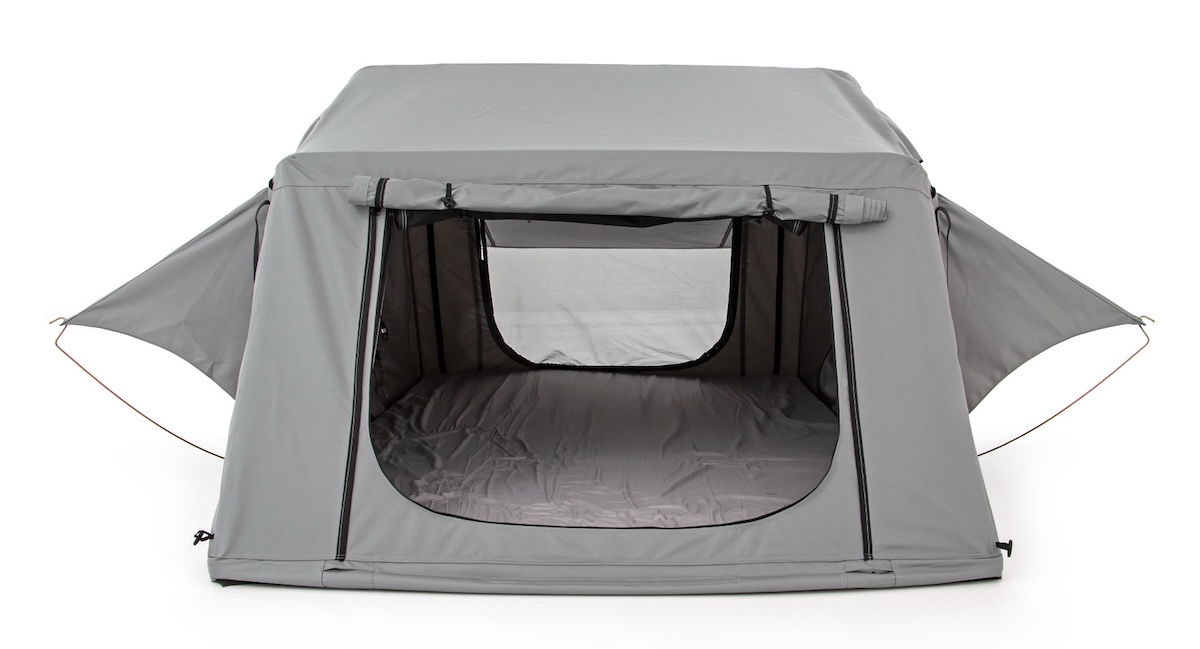
HIGH ABOVE IT ALL
As a driver’s purchasing decision nears, sometimes an in-person experience can seal the deal.
“The best tip is to have a display or a rooftop tent on a shop truck,” says Mora from Tuff Stuff Overland. “Overlanding is still a growing market. Most customers walking through your door will be new to overlanding and making their first purchase. Being able to touch the material, climb inside and get a feel for the tent will help make them feel confident with their investment.”
An in-person demonstration is the only was to truly understand what the user experience will be like, says Taylor.
“A rooftop camper in a box sells on spec, while one deployed at eye level sells on experience,” he says. “When customers can climb the ladder, look through the porthole windows, feel the aluminum walls and understand what 30-second deployment actually means—that’s when the product sells itself.”
Or, as Tate explains, “Put one in your showroom and let the product sell itself.”
An enticing showroom setup can be a welcome mat for repeat customers.
“Tell a story with the display,” advises Horton from Yakima. “Put some sleeping bags in there and a book, plug in the interior lights that come with the tent and set up other add-on accessories like air conditioners, crossbar kits, etc. If it’s on a vehicle, add an awning or boat rack up top and have a ground mat with a couple chairs ready. Show the customer what their campsite is capable of being, spur their imagination and create more add-on sales for yourself.”
Demo areas that simulate a complete off-road experience can be powerful sales tools, says Bates from Overland Vehicle Systems.
“Don’t sell just the tent—sell the entire camping solution,” she recommends. “Pair rooftop tents with bed racks or roof racks, awnings, annex rooms, recovery gear, power stations, lighting and storage accessories.”
Caridi agrees that seeing is believing for many adventure travelers.
“Nothing beats a demo, so keeping a tent on your floor will go a long way,” he says. “Beyond that, I’m always surprised by how few accessories I see alongside tents. Large-footprint items like awnings are obviously tough to keep in stock, but smaller things like string lights, ladder padding, camp blankets and gear nets are all fairly inexpensive add-ons with great shop margins. Some people will wait and order these later, but if you have them at the point of sale, it’s a great opportunity to capture the sale at the time of purchase. We’re seeing a roughly 20% take rate on most of our accessories when they’re available right at checkout.”
ROOFTOP TENTS
HOT PRODUCT: The SKL
FEATURES & BENEFITS: Pronounced “skull,” a hard-sided rooftop camper built entirely from painted, high-strength aluminum using aerospace-grade monocoque construction; deploys in about 30 seconds; sleeps two adults comfortably; standard 6Ah onboard battery.
Mammoth Overland
Scott Taylor
President
HOT PRODUCT: OVS XD K2
FEATURES & BENEFITS: Dual-action clamshell premium tent built for overlanders who want fast setup, all-season capability and premium comfort; lightweight aluminum honeycomb hard shell that’s durable and aerodynamic; premium 320G blackout ripstop poly-cotton fabric.
Overland Vehicle Systems (OVS)
Michelle Bates
Marketing Manager
HOT PRODUCT: Rack Mount Rooftop Tent
FEATURES & BENEFITS: Durable canvas; 12-volt accessory-compatible; LED light; attractive price point.
Rough Country
AJ Tate
Business Development
HOT PRODUCT: Thule Widesky
FEATURES & BENEFITS: Hardshell rooftop tent with a quick, simple opening and closing system that’s fully up or down in 15 seconds using a simple pull cord; no fabric to tuck; comfortable mattress that converts into a sofa.
Thule
Dan Caridi
Associate Category Manager – Adventure Camping
HOT PRODUCT: Trailhead PRO Soft Shell Hybrid
FEATURES & BENEFITS: Four-season tent for year-round camping; integrated driving cover with setup and take-down as fast as a hardshell tent; 2.75-inch mattress; at 110 pounds, light enough to be installed on most UTVs; cargo bars to secure additional gear when traveling.
Tuff Stuff Overland
Charlie Mora
Sales Manager
HOT PRODUCT: Yakima SkyPeak HD
FEATURES & BENEFITS: Hardshell rooftop tent that’s more like a roof rack system you can sleep in; with side T-slots and a top crossbar kit, it can carry up to 165 pounds on top and up to 75 pounds on each side; accessory attachment setup; pop-out doorframe.
Yakima
Chris Horton
Senior Category Manager