Building a Case for Offering Paint Protection Film Installations
Introductory information helps shops explain the benefits of PPF to aftermarket consumers...
Editor’s note: This introduction to the advantages of paint protection film and its benefits for aftermarket shops was provided by Jason Schaner, applications engineer for Lubrizol.
The average new car price surged past the $50,000 mark for the first time in 2025 and is likely to continue to rise going forward. Unsurprisingly, the average age of automobiles in the U.S. also reached a highwater mark, climbing to 12.8 years as vehicle durability and new car sticker shock encouraged owners to hold on to their existing vehicles longer than ever.
According to a November 2025 survey from The Zebra, 69% of Americans are delaying buying a new car because of some combination of market and financial conditions, and 65% say their primary reason for purchasing a new car was because their previous car was too old or expensive to repair.
Whenever those owners sell or trade in their cars, the goal is to recover as much of that original value as possible, and the ability to do so is tied directly to the car’s condition. That’s where paint protection film (PPF) comes in.
Let’s use a mid-model 2018 Jeep Grand Cherokee and look at the appraised value based on the condition of the car’s paint job. Using the appraisal tool at Edmunds.com, we can see the 2018 Grand Cherokee in average condition with minor paint damage the only reported defect has a trade-in value of $10,989. The same car in clean condition is worth $11,695, and in outstanding condition the value is $12,118.
That’s a difference of anywhere from $706 to $1,129. Those savings alone can cover the cost of a basic PPF installation, but that’s just the beginning of the economic analysis.
Many owners may choose to address minor paint damage as it happens, and those costs can add up as well. Repair costs can vary based on market and shop, but an inexpensive paint job can cost as little as $300-$900. About a third of those who opt for the low-cost option, however, say they are unhappy with the results.
A mid-range repair runs anywhere from $1,000-$3,500, and most consumers who go that route say they are satisfied with the work. On the high end, a showroom-quality paint job can cost between $2,500 and $20,000, and those customers are consistently happy with the outcome.
A Surging Mainstream Global Market
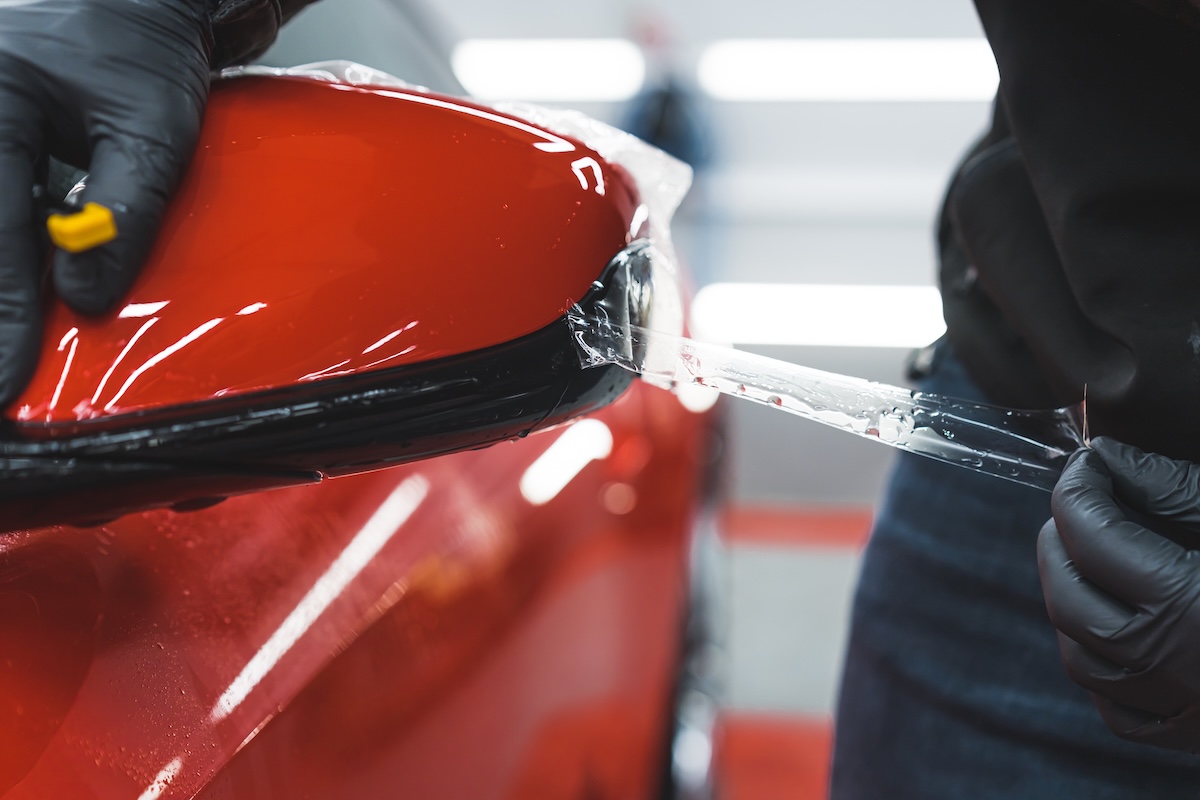
PPF can eliminate those types of repair costs altogether. With that in mind, it should come as no surprise that the global market for paint protection films is surging.
Estimated at $502.55 million in 2024, the PPF market is projected to reach $726.63 million by the end of the decade. Vehicle owners increasingly understand the importance of extending the life and preserving the value of their investments.
Make no mistake: Luxury vehicle owners and car enthusiasts drive the PPF market, but mainstream adoption is increasing as more vehicle owners seek to preserve the value of their investment.
Growth in the electric vehicle market is another factor. Without a grille, EVs have a large, exposed painted front end prone to chips and scratches. The emergence of PPF with creative aesthetic appeal—specifically colored PPF and film with different finishes—is further heating up the market.
Beyond Protection: Next-Generation PPF
The key ingredient that determines PPF performance is thermoplastic polyurethane (TPU). TPU providers can adjust the chemistry in their products to make them tougher or more flexible, increase their stretchability, ensure better adhesion, prevent yellowing due to UV exposure or enable a vast universe of performance characteristics.
Traditionally, PPF has been evaluated on three qualities:
- How well it protects the original paint job
- How easy it is to install
- How it looks—specifically, how close it can get to being undetectable after installation.
These remain the most important attributes, but the baselines for acceptable performance are rising on all three counts. Let’s look at each and where the state of the art is headed in the years ahead.
Protection
PPF is expected to protect against chips, scratches and weathering. These are table stakes. But through advanced materials science, some TPU providers are developing formulations that can better withstand extreme heat or cold, protect against acid rain or other abrasive chemicals and self-heal to repair damage using applied heat.
Installation
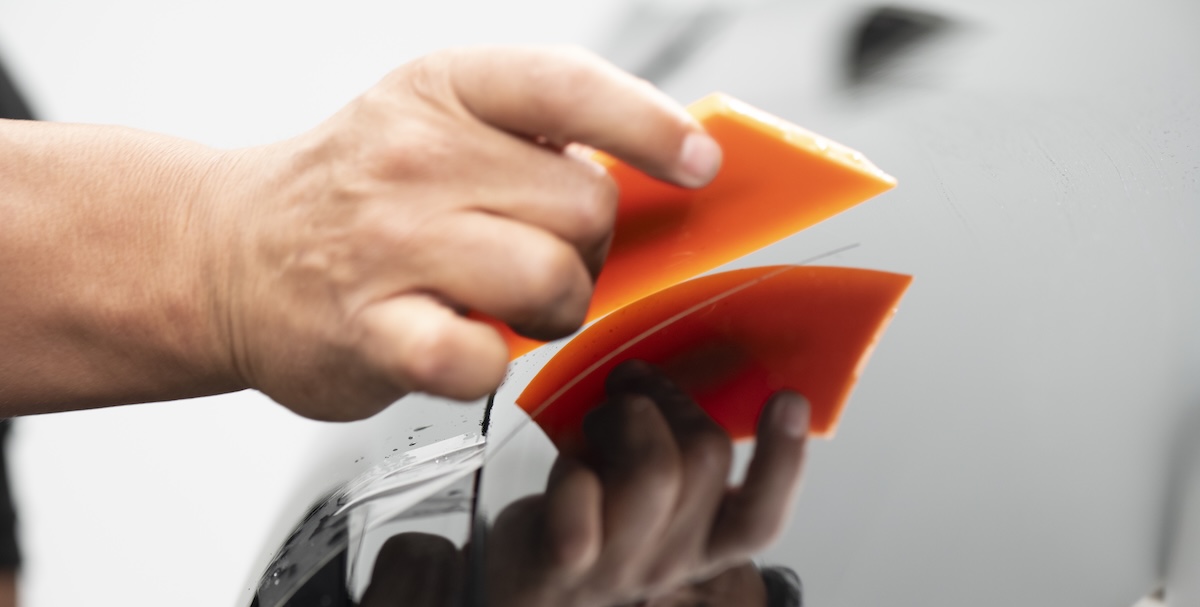
The best PPF installers make applying film seem like art, wielding picks, spray bottles and squeegees like a painter uses a brush to make the process seem almost effortless. In reality, PPF installation can be challenging for installers and frustrating for do-it-yourselfers, made more so when the film is rigid, tears when pulled and stretched, and doesn’t adhere cleanly to the car’s surface.
The secret to flexible, stretchable PPF is in the TPU, and emerging formulations are producing PPF that maintains flexibility even in low temperatures, can be stretched and manipulated without compromising its shape or transparency, and adheres securely and can be removed cleanly without damaging the original surface.
Appearance
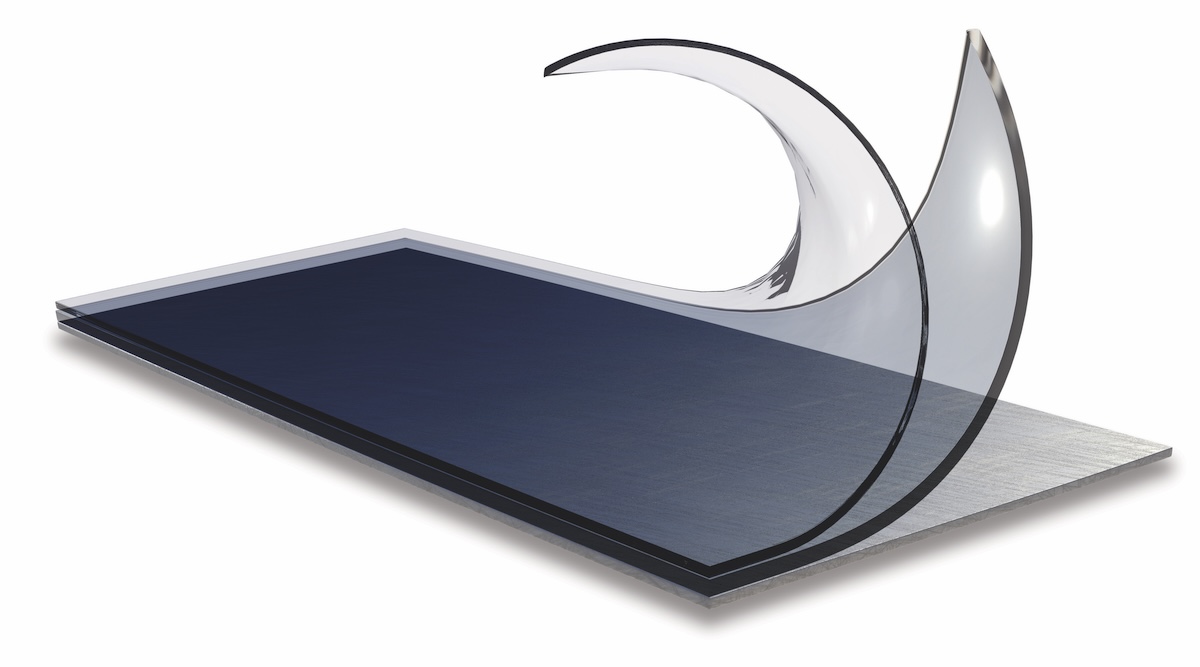
In most instances (but not all, as we’ll discuss), the goal for PPF appearance is to make it not appear at all. Optical clarity is the measure for most PPF applications, and it’s not uncommon to see many PPF brands marketed as “virtually invisible.”
In truth, even the best TPU contains imperfections that can cause visible distortions and cloudiness in the finished PPF. Materials scientists are continuously working to manipulate the TPU polymer to ensure smooth film processability with no optical defects. Going forward, next-gen, premium TPU will produce PPF with shocking clarity—an upgrade comparable to the transition from low-definition to high-definition television.
Meanwhile, some end-users aren’t seeking invisibility from their PPF. They use PPF to change the color or finish of a paint job, adding accent colors to the hood or giving the body a matte appearance.
We’re already seeing PPF with color-changing properties, shifting the tint of the film when exposed to direct sunlight. Mastery of the chemistry of TPU makes the possibilities virtually endless.
The Bottom Line
PPF is a growing market, with adoption expanding beyond the luxury set to include value-minded automobile owners focused on extending the life of their vehicles and protecting an increasingly sizable investment.
As that market continues to develop, the difference between premium products and low-cost alternatives will become stark. Innovation in the areas of optical clarity, durability and conformability are leading to a new generation of PPF products that will provide comprehensive protection, enable easier installation and produce visibly striking films that move beyond protection to dramatically enhance a vehicle’s appearance.