

International supply chains have been facing increasing pressure for years. In addition to geopolitical tensions and growing regulatory requirements, the risk of counterfeiting and non-transparent product flows continues to rise, particularly in globally distributed product categories, company officials stated in a press release. The lubricant and automotive aftermarket sectors are among those affected, as they rely on complex, multitier distribution networks.
authentic.network and LIQUI MOLY are launching the international rollout of a digital product authentication technology. The solution creates transparency across the supply chain and enables the unique identification of products in approximately 150 countries worldwide, according to the release.
How the Authentication Technology Works
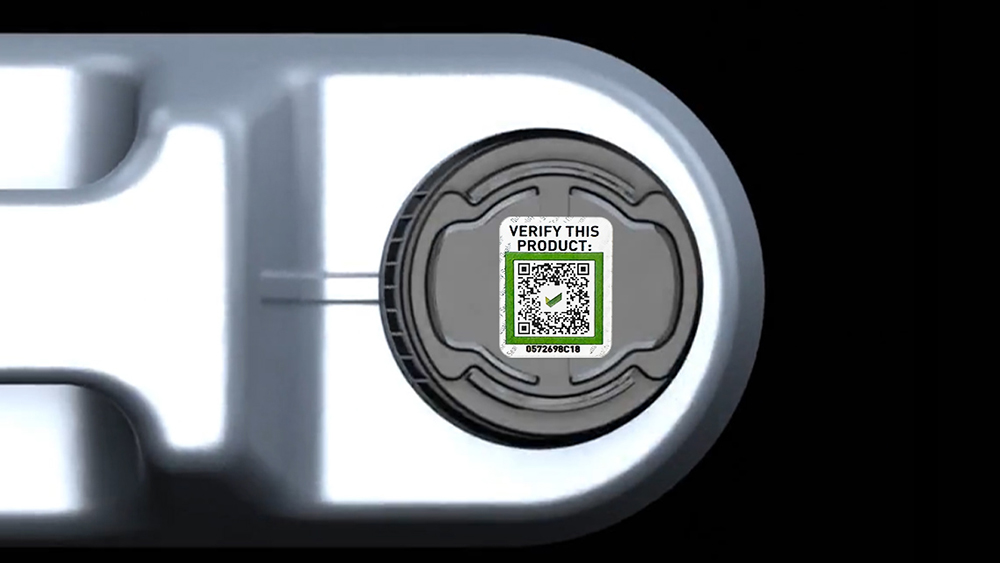
Packaging is increasingly being viewed not only as a means of protecting products physically, but also as a digital interface within global supply chains. As demand for traceability grows, so do the requirements for authentication systems. The technology developed by authentic.network is based on patented, non-copyable digital product identities that can be integrated directly into existing CMYK printing processes, the company said. Verification is performed via smartphone scan, without the need for additional hardware, NFC chips or special inks. This enables products to be verified and digitally assigned at defined checkpoints throughout the supply chain, from distribution and logistics processes to direct interaction with end customers.

“Across many industries, there is a growing expectation that physical products become digitally traceable,” says Frank Theeg, CEO of authentic.network. “The challenge is no longer the development of individual security features. What matters is whether these systems can be operated economically under real-world production and supply chain conditions.”
Digital Product Passport & ESPR Compliance Pressure
With the planned Digital Product Passport and the requirements of the European Ecodesign for Sustainable Products Regulation (ESPR), manufacturers are facing growing pressure to connect physical products with digital data systems. From a regulatory perspective, this extends beyond product security and increasingly includes origin, transparency and verifiable product information.
The rollout with LIQUI MOLY also demonstrates how the market is evolving from isolated security features toward connected digital product identities, the company said. In practice, authentication, traceability, regulatory data management and customer interaction are becoming increasingly interconnected.
“We want to be able to trace our entire supply chain, from production to the end customer. And we want to do so worldwide. This is essential to delivering on our quality promise,” says Marco Esser, global marketing director at LIQUI MOLY.