This article originally appeared in the March 2026 issue of THE SHOP magazine.
If there’s one thing adventure travelers can agree upon, it’s that they want to take it all with them. From safety and rescue equipment to convenience items and recreational amenities, there’s a lot to pack (and unpack!) when you’re getting away from it all.
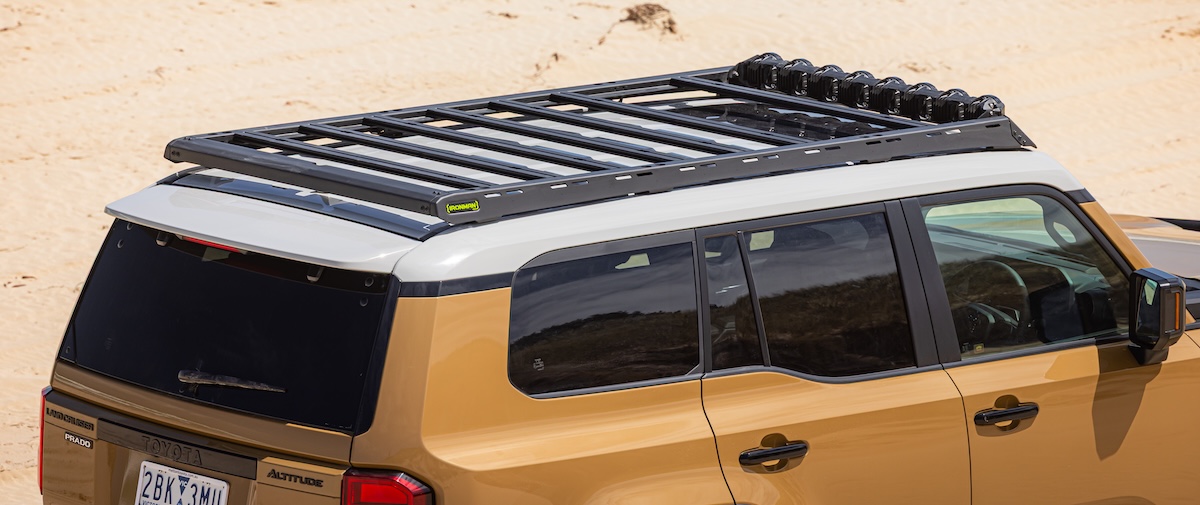
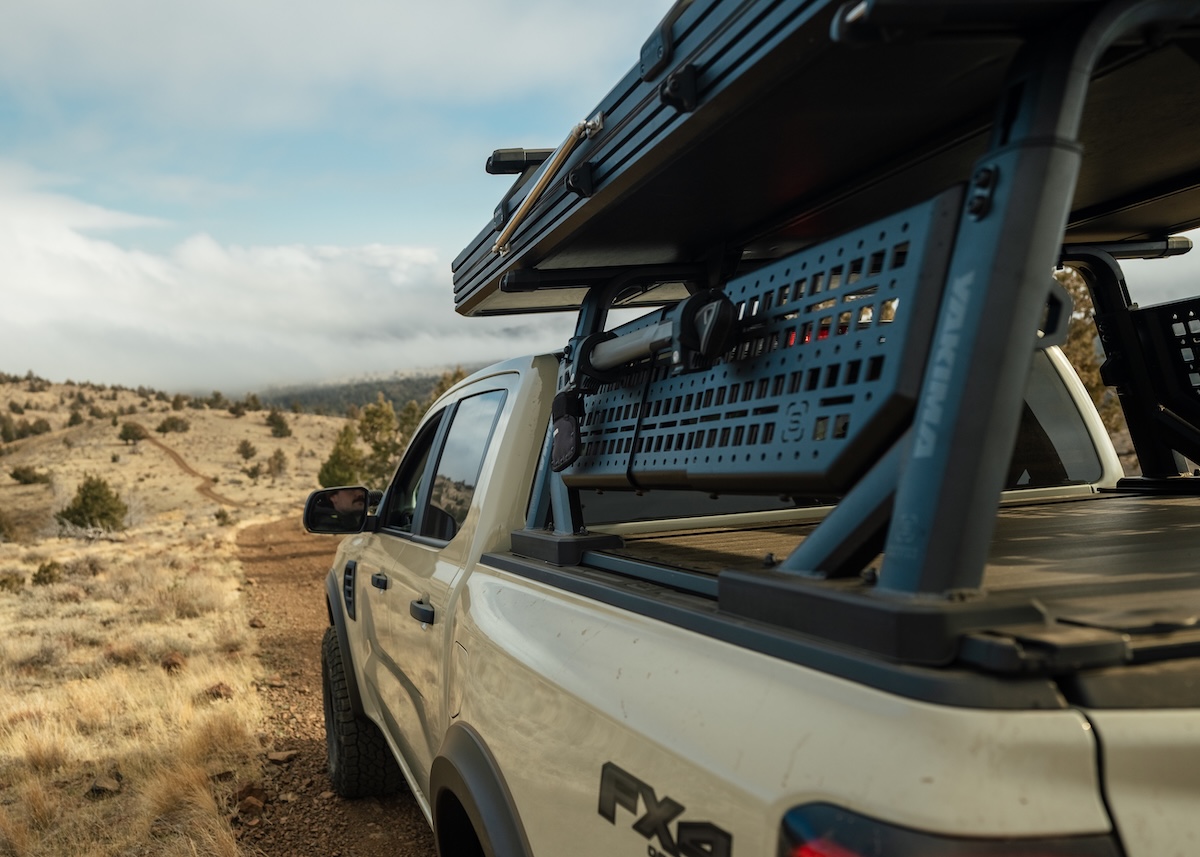
Today’s off-road racks offer the style, versatility and carrying capacity that overlanders crave. Efficient designs and custom fits appeal to a wide variety of drivers looking to enhance their favorite trail vehicle.
With the right products and the latest market knowledge, shops can find success selling and installing off-road racks. Suppliers are happy to keep you on track with tips, trends and advice that put even the most ambitious outdoor treks within reach.

DESIGNED TO DO MORE
If it seems like you’re seeing more off-road racks on the road these days, there’s a good reason—the market has shifted from niche to mainstream, says Travis Stevens, category manager for Thule.
“A decade ago, off-road racks were mostly for hardcore enthusiasts, often requiring major DIY modifications or specialist upfitters. Today, they’re a lifestyle accessory embraced by overlanders, weekend explorers and everyday drivers who want versatility, capability and style,” he says. “Consumers expect racks to be functional, stylish and easy to install without permanent vehicle changes. In fact, many automakers now offer rack systems as part of factory trim packages, reflecting how integral they’ve become to the adventure lifestyle.”
Another market change is the evolution of off-road racks from fixed cargo carriers to dynamic, modular systems.
“Today’s customers expect racks to integrate with tonneau covers, support multiple accessories and adapt as their vehicle use changes over time,” says Craig Metcalf, automotive manager for Küat. “Clean designs, premium materials and future expandability now matter just as much as load ratings. This shift has pushed shops away from one-time rack installs and toward long-term, system-based builds.”
Versatility is a key aspect, says Katherine Abraham, marketing director for Ironman 4×4.
“There’s been a major increase in modularity and ecosystem thinking,” she explains. “Customers want racks that can grow with their needs, supporting tents, lighting, storage and other accessories over time. As a result, shops are seeing more educated buyers who care about fitment, weight ratings and long-term usability—not just price.”

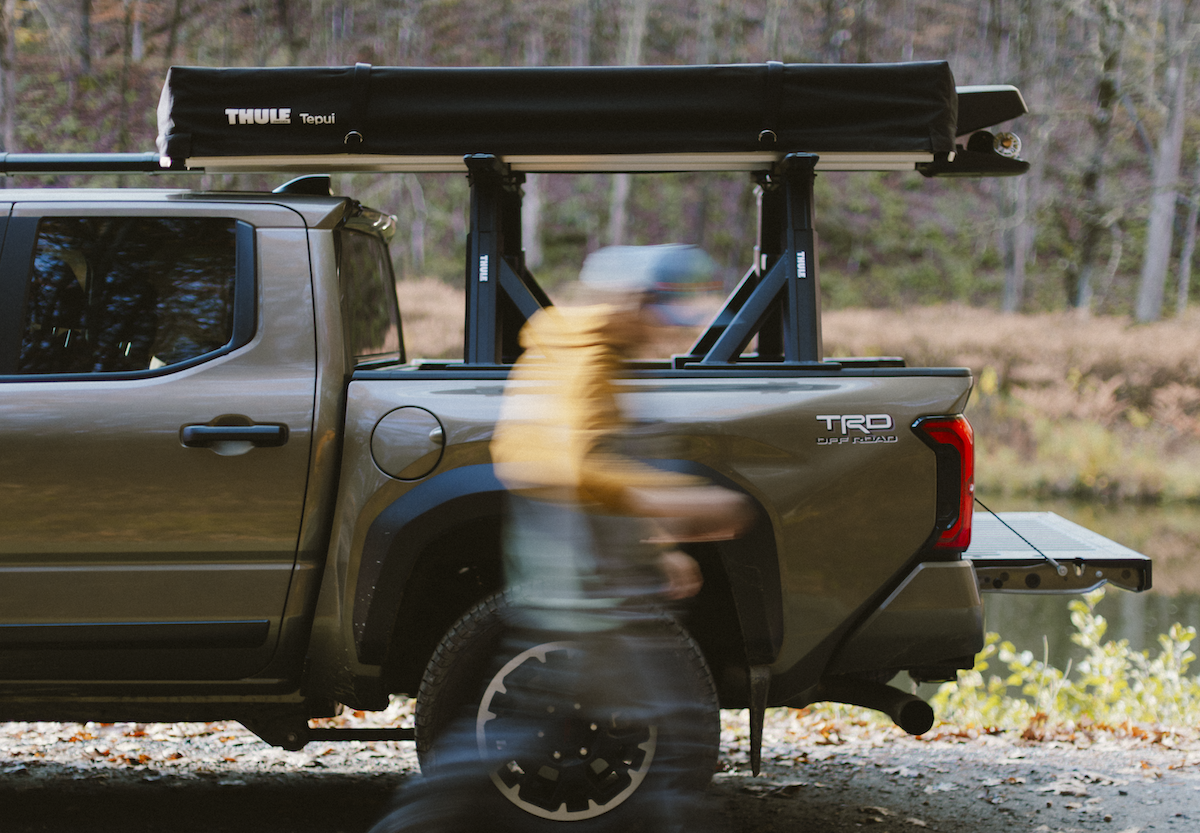
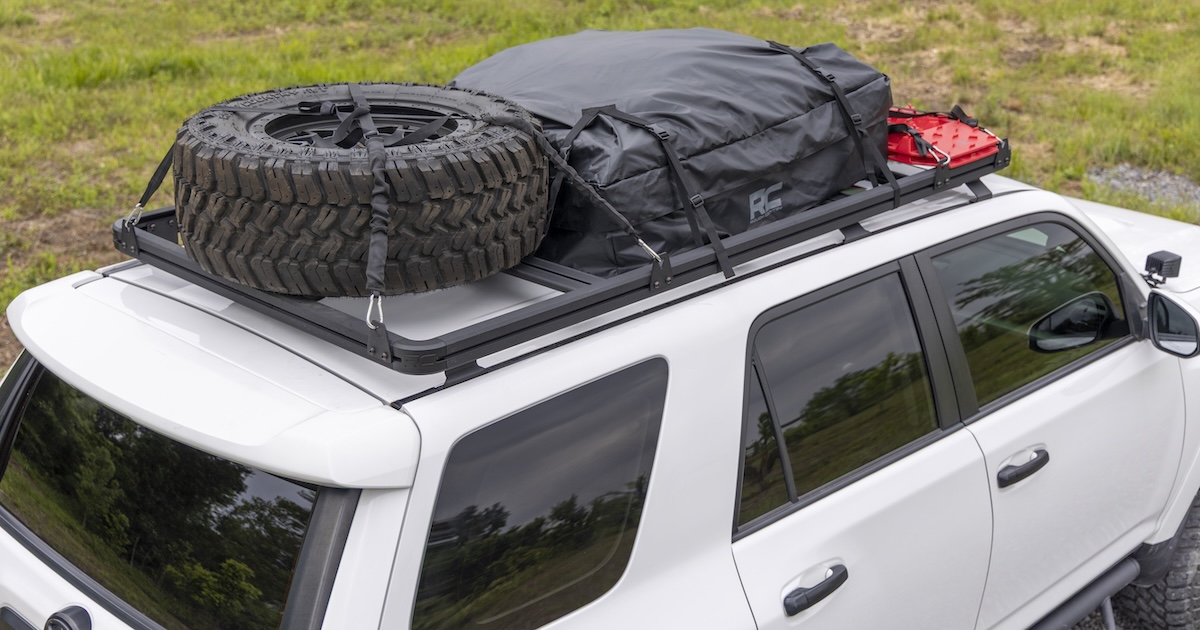
The highly engineered modular systems must deliver an OE-quality fit and finish to resonate with drivers, says Tony Savasta, vice president of marketing for Westin Automotive Products.
“Consumers now demand products that match vehicle aesthetics and provide multipurpose capability—from hauling gear to mounting lights or tents,” he says.
Tim Watts, vice president of sales for Rough Country, says, “modern off-road racks are now a foundational element of any true adventure setup. The off-road rack market has grown significantly in both size and sophistication, driven largely by the rise of overlanding and adventure-based vehicle use. What was once a simple solution for hauling infrequently used cargo has evolved into a core component of modern off-road and overland setups.”
The rise of overlanding created a market that values utility and versatility, says Michelle Bates, marketing manager for Overland Ruff Racks by Overland Vehicle Systems.
“People aren’t just buying racks for extra storage anymore,” she says. “They’re building full platforms that include lighting, tents, recovery gear, awnings and everything needed to go off-grid for days at a time.”
Popular accessories are helping drive new offerings, says Todd Scott, category manager – roof racks, truck and HD for Yakima Products. Trends are being set, he observes, through “the increasing range of choices for recovery and water accessories, along with the shift from traditional roof rack systems to platform styles like Yakima’s LockNLoad and RuggedLine HD systems.”
And as the products have changed, they’ve also improved in quality to match today’s vehicles.
“The off-road rack market has evolved from a narrow, functional segment to a premium, lifestyle-driven, highly modular category, with buyers demanding quality materials, integrated systems and brand experiences that start long before they walk into a store,” says Jason Bukolt, director of marketing for Fab Fours.

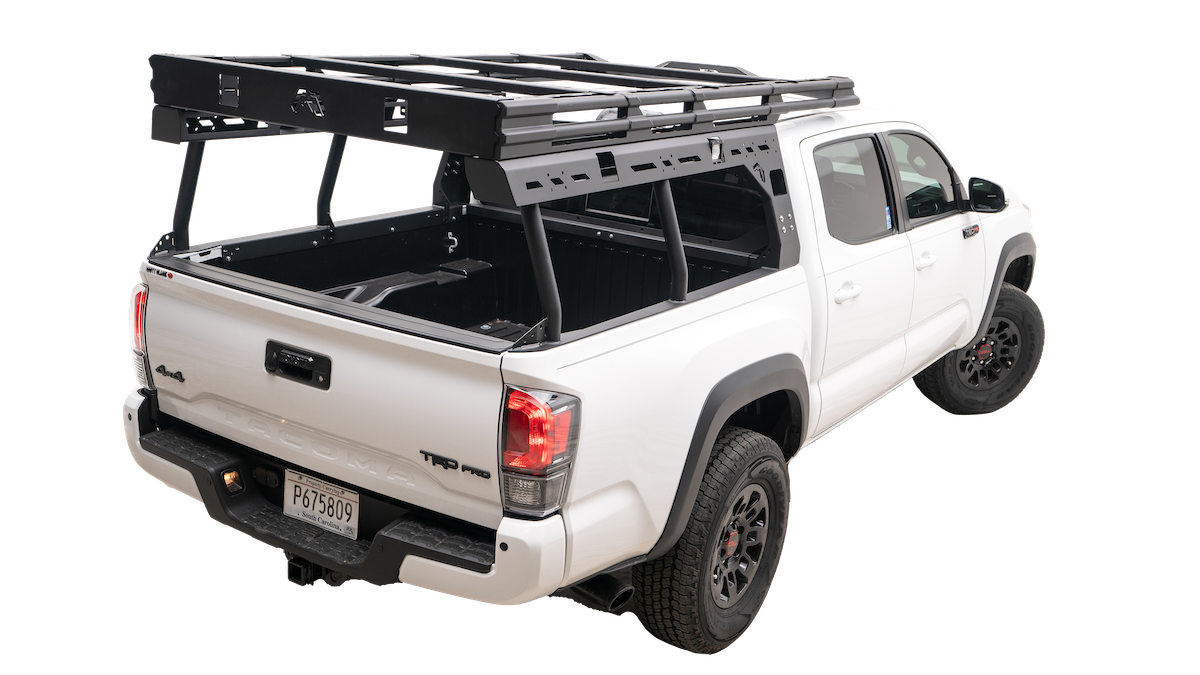
Smart attachment is important as well.
“There are many new players in the market today and ease of installation has become a major focus,” says Bernhard Leitner, CEO of Leitner Designs. “Customers now expect bolt-on systems that do not require drilling, as drilling can risk damaging the vehicle or voiding warranties. Clean installs and vehicle-specific designs are now more important than ever.”
BUILDING SOMETHING BETTER
As rack systems become more customizable, it’s more important than ever for shops to understand each client’s intended use in order to choose the perfect solution.
“The setup is going to be different for someone who’s interested in mountain biking for the week versus a weekend getaway couple with a dog,” says Bukolt. “When it comes to installation, knowing what the customer is wanting to do with the rack is key. Why? Because you’re going to set up the rack system tailored to their activity or usage.”
Asking important questions regarding vehicle use and future build plans should be the starting point, says Watts.
“Overlooking proper mounting, accessory integration and load considerations ultimately undermines the rack’s functionality and the customer’s overall experience,” he explains.
Bates points to features such as lighting capabilities as reasons to discuss vehicle usage plans before recommending a rack.
“One of the biggest mistakes I see is shops treating racks like a quick bolt-on accessory when, in reality, racks are the base of the entire build,” she says. “If the customer plans to add a rooftop tent, storage, lighting or accessories down the road, that changes what rack they should be running. It’s always better to start with the right platform rather than upgrade twice.”
Metcalf advises shops to view rack systems and entryways into further accessorization rather than a finish line.
“A frequent mistake is treating the rack as a one-and-done product rather than the foundation of a larger system,” he explains. “This often leads to mismatched accessories, limited upgrade paths or customers coming back frustrated when their rack won’t support new gear or work with a tonneau cover. Another issue is underestimating how much consistency and install efficiency matter at the shop level.”

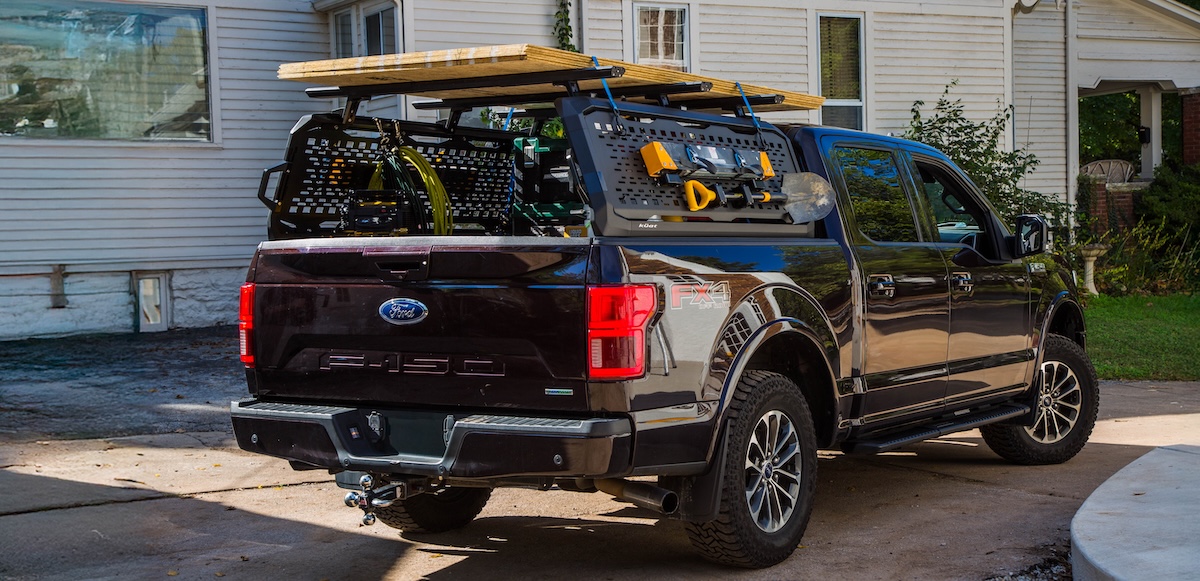
Entryways, of course, attract new consumers, resulting in an opportunity for professional shops to enhance sales with product education and real-world advice.
“The technical profile of today’s off-road consumer has shifted. In the past, a lot of enthusiasts managed their own modifications. Today, buyers are more likely to rely on professional guidance, making it increasingly important for shops to lead on fitment, load capacity and proper installation,” says Stevens. “This approach supports safety, confidence and long-term customer relationships.”
Abraham advises against shops treating off-road racks as one-size-fits-all solutions, while stressing the importance of clearly explaining features such as load ratings or future compatibility.
“Customers may not understand the difference between static and dynamic loads or how additional accessories affect overall capacity,” she says. “Taking the time to walk through use cases and future plans helps avoid mismatched expectations and post-install frustration.”
Savasta explains the importance of recommending racks that perform beyond expectations.
“Don’t undervalue quality and fitment,” he says. “Shops sometimes treat all racks as a commodity rather than explaining differences in materials, corrosion resistance and modular capacity. Not educating customers on these factors can lead to buyer hesitation or warranty issues later.”
As a local rack expert, clients will trust your shop to help them avoid future issues, says Scott, such as “selling or installing less-than-ideal choices to underpin rooftop tents.”
From there, proper ordering and installation processes aid in shop productivity while maximizing profit potential, advises Leitner.
“A common selling mistake is not confirming the exact vehicle configuration before ordering. With so many options and variations today, this often leads to the wrong part number being ordered,” he cautions. “Meanwhile, a common installation mistake is misplacing or skipping hardware during the install, which can lead to fitment or safety issues. Whether the rack ships in one box or multiple boxes, every bolt, bracket and piece of hardware is included and packaged with the system, so it is easy to find and keeps the install moving smoothly.”

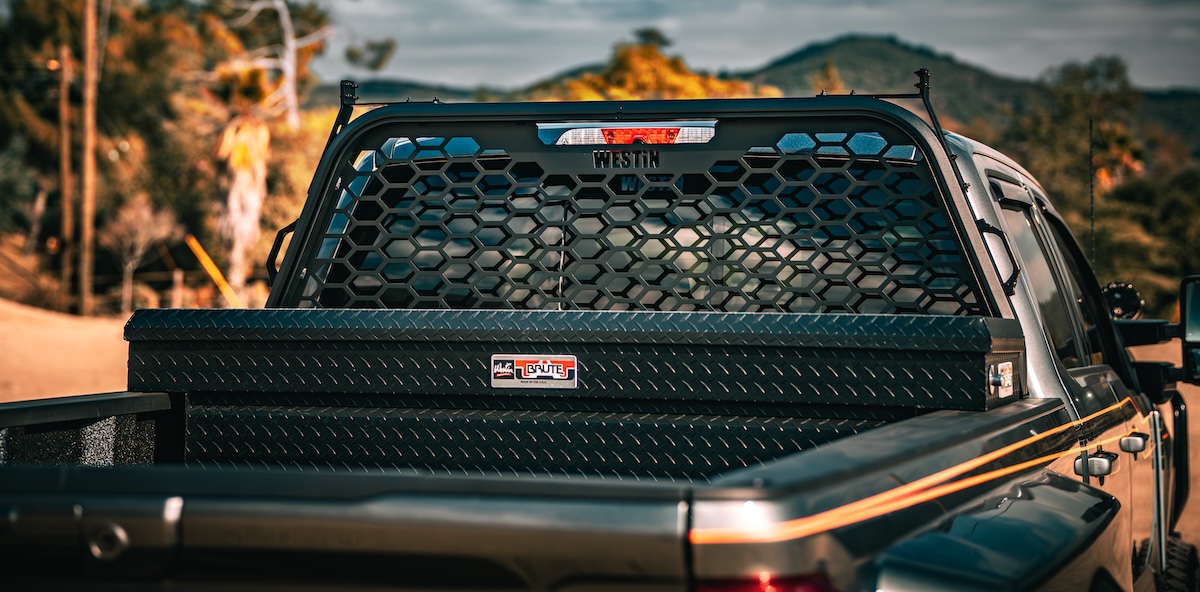
SECURE ATTACHMENTS
One reason shops enjoy selling and installing off-road racks is the happiness they bring customers. As such, Stevens from Thule advises, “sell the adventure, not just the hardware.”
“Position racks as the gateway to aspirational experiences—spontaneous camping trips, overlanding journeys and the freedom of the open road,” he suggests. “Pair racks with accessories like rooftop tents, cargo boxes and recovery gear to create complete adventure setups. Showcase real-world builds in-store or online to spark inspiration and drive higher-value purchases. When customers can picture the lifestyle, they’re ready to invest in it.”
A rack becomes the first step toward a “complete adventure system,” says Rough Country’s Watts.
“Educating customers on load ratings, mounting options and future expandability helps position the rack as a long-term platform rather than a single purchase, naturally driving add-on sales while delivering a better, more personalized solution,” he says.
Capturing excitement requires building trust, say Bukolt from Fab Fours.
“It’s all about getting to know your customer and their level of comfort when it comes to overlanding. By asking the right questions, you can sell your customer the right overland rack setup for them,” he says. “Let’s face it, there are a ton of products in the overland space and your customer is relying on you to help them with what to bring and what stays at home. Always start with the basics and don’t forget about weight.”
When it comes to logistics, Metcalf from Küat suggests viewing off-road racks as a complete product category.
“Shift to system-based selling. Start with the rack as the anchor product, then build outward with accessories and upgrades over time,” he recommends. “Products like our IBEX system make this easy because customers don’t have to replace the rack to evolve their setup. That creates higher initial ticket values, repeat add-on sales and stronger long-term customer relationships, all while giving shops a platform they can sell once and build on for years.”
Bates from Overland Ruff Racks by Overland Vehicle Systems also advises shops to view racks as the beginning of the build, not the end.
“Shops can grow rack-related sales by offering complete packages like a rack, light bar, wiring and install. This is an easy way to increase the ticket total while delivering a finished, professional upgrade customers are excited about,” she says. “At the end of the day, customers want a rack that looks clean, works hard and gives them more options—not more limitations.”
Seeing is believing when it comes to conceptualizing custom rack setups and how they can help drivers, says Scott from Yakima Products, increasing the importance of hands-on experiences.
“Display a vehicle (with a rack system) out front and create in-store rack displays such as a truck bed with product installed,” he suggests.

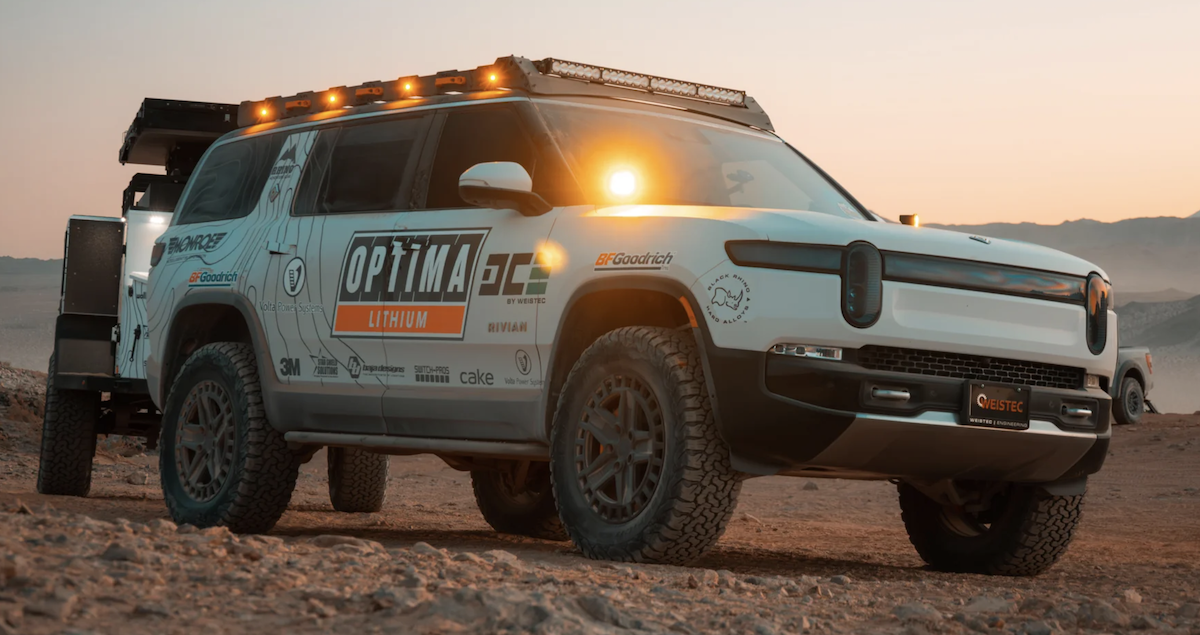
Savasta from Westin Automotive Products has seen the power of specialized product demonstration areas.
“Display functional demos with all the add-ons,” he suggests. “At last year’s SEMA Show we displayed our HLR rack with new grab handles, and that simple addition really added to the demonstration of the rack when accessing the bed of the truck. We also showed off our Mesa Roof Rack with a tent installed. Both were real hits.”
Ironman 4×4’s Abraham agrees that the most effective way to increase rack sales is to show the system, not just the product, while focusing on knowledge sharing.
“Displaying racks installed on vehicles—with lighting, awnings or storage—helps customers visualize how the rack fits into their lifestyle. Bundling racks with common accessories simplifies decision making and increases average ticket value,” she says. “Equally important is education. When customers understand why fitment, weight ratings, noise and modularity matter, they’re more confident investing in a higher-quality rack—and more likely to return as their build evolves.”
Finally, rely on quality suppliers to partner on the entire journey, says Leitner from Leitner Designs.
“Stay in regular contact with the manufacturer to learn about new products and updates. Ask for flyers, display materials and product info to share with customers,” he advises. “We regularly send swag packs and marketing materials to our dealers and installers to help support their sales. Staying informed and product knowledgeable builds trust and helps close more sales.”
STEPPING UP TO RACKS
Running boards and steps are natural add-on sales suggestions for drivers who need a boost when accessing their new off-road racks. Available in a variety of styles and finishes, step products complement today’s overlanding builds, from mild to aggressive.
When it comes to pitching a set of boards or steps to an off-road client, it pays to showcase their versatility, says Kristi Feeney, Lippert director of marketing.
“Consumer preference is shifting toward clean, modern styling and functional upgrades,” she notes. “With SUV adoption still growing and customers increasingly investing in personalization and daily-use convenience, shops can expect steady, margin-friendly demand for step systems that look premium and install cleanly.”

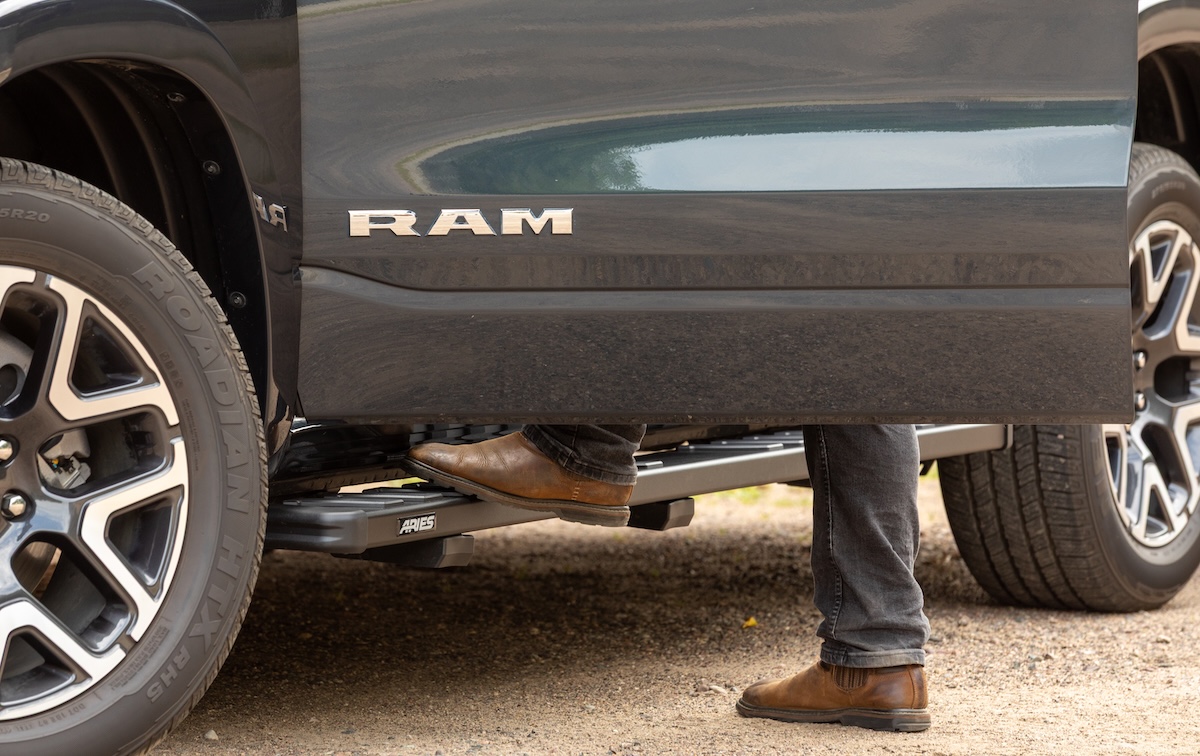
She highlights ARIES NovaTrac Running Boards as an example. Featuring a “sleek, OEM-plus design,” the boards offer rust-free construction, a high-traction step surface and custom no-drill brackets for a precise, factory-style fit.
When choosing a step product, she advises shops to make sure the products match or even exceed the performance and styling of the off-road racks being installed, and then explain the benefits to clients.
“Price shopping online leads some customers to believe a bargain board is equal to a branded system, without understanding differences in corrosion resistance, warranty, stability and long-term safety,” she explains.
OFF-ROAD RACKS
HOT PRODUCT: Overland Rack for the Jeep Gladiator.
FEATURES & BENEFITS: Expandable over-cab extension provides additional cargo space; multiple tie-down and mounting points; 10 integrated 3×3 LED pod mounts; integrated roof access step; optional additional crossmembers; made in the USA with U.S. steel.
Fab Fours
Jason Bukolt
Director of Marketing
HOT PRODUCTS: RAID Roof Rack and RAID Bed Rack
FEATURES & BENEFITS: Launching soon; designed for a wide range of customers from daily drivers who want clean looks and low noise to off-roaders and overlanders needing strength, modularity and long-term durability; vehicle-specific systems offer premier fit and finish.
Ironman 4×4
Katherine Abraham
Marketing Director
HOT PRODUCT: Küat IBEX Truck Bed Rack System
FEATURES & BENEFITS: Modular, aluminum bed rack integrates cleanly with most mid- and full-size trucks; supports a wide range of overland, work and lifestyle accessories; strong static and dynamic load ratings; multiple height configurations; efficient, repeatable installation.
Küat
Craig Metcalf
Automotive Manager
HOT PRODUCT: ACS Roof for the Mercedes-Benz Sprinter 144
FEATURES & BENEFITS: Low-profile system adds only 4 inches to the overall height of the vehicle; adjustable load bars slide into toothed channels; additional load bars can be added; works with T-track accessories from popular brands; made in the USA.
Leitner Designs
Bernhard Leitner
CEO

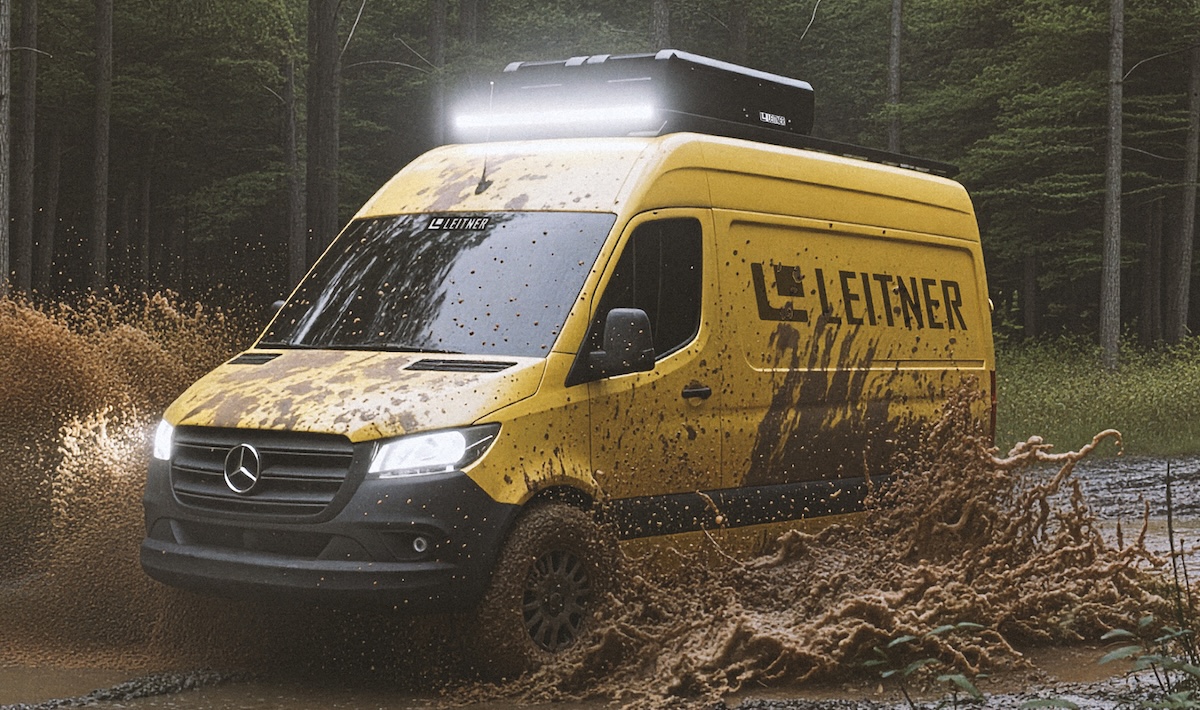
HOT PRODUCT: Rivian R1S Roof Rack System With Light Bar Cutout
FEATURES & BENEFITS: Built specifically for the Rivian R1S; light bar cutout designed to fit the major light bar brands; attractive appearance; strong enough for real gear; a platform that can grow with the build.
Overland Ruff Racks by Overland Vehicle Systems
Michelle Bates
Marketing Manager
HOT PRODUCTS: Extruded Aluminum Roof Racks
FEATURES & BENEFITS: New lineup engineered to deliver versatility, strength and value; modularity offers a range of customization options (bed rack, roof rack, full rack, half rack); lightweight, durable aluminum construction; 600-pound static/300-pound dynamic load capacity.
Rough Country
Tim Watts
VP Sales
HOT PRODUCT: Thule Xscape Premium Off-Road Truck Bed Rack System
FEATURES & BENEFITS: Built for overlanding and adventure travel; heavy-duty aluminum construction for strength and durability; modular design allows height adjustments for specialized gear, from kayaks to rooftop tents; multiple T-tracks for easy customization.
Thule
Travis Stevens
Category Manager
HOT PRODUCTS: HLR Truck Rack & Mesa Roof Rack
FEATURES & BENEFITS: HLR features lightweight aluminum construction to protect the rear cab and provide versatile gear support; popular for Jeep and Bronco, Mesa boasts a durable extruded aluminum frame with a sleek powder-coat finish and versatile channel system.
Westin Automotive Products
Tony Savasta
Vice President of Marketing
HOT PRODUCT: OverHaul HD Shadow Edition
FEATURES & BENEFITS: All-new rack system includes two adjustable MOLLE panels; delivers the proven strength of the OverHaul HD line.
Yakima Products
Todd Scott
Category Manager – Roof Racks | Truck | HD