This article originally appeared in the December 2025 issue of THE SHOP magazine.
Circle track racers come into every off-season with the same question—how do I make my car faster and more durable without breaking the bank?
This balancing act puts speed shops and engine builders to the test, asking them to rely on their innovation and strong supplier relationships to give clients the edge they seek heading into the new year. Economic and supply chain issues can pose further challenges, while rule changes or new series entries can readjust the playing field.
How can shops help circle track customers achieve their dreams of victory? Product manufacturers offer observations on market misconceptions to avoid, selling strategies to embrace and hot new products to consider as racers prepare for another year, looking to spin to win.

What It Takes to Race
There are plenty of outside factors that can affect the health and viability of circle track racing and its passionate drivers. Among the biggest, of course, are budget constraints.
“The rising cost of racing is definitely having an effect,” says Christian Goncalves, marketing manager for Canton Racing Products. “Racers are looking for components that last longer and perform better over time—not just the cheapest option. That’s where durable, race-proven products really stand out.”
Eddie Smith, manager of MPD Racing, sees costs and inflation as current market challenges. “The price of engines, tires and large components is having effect on racing,” he says.
Rich Barsamian, vice president of sales and marketing for Advanced Clutch Technology, explains how racers now seemingly weigh every purchase more carefully.
“Instead of asking ‘what’s the fastest?’ many ask, ‘what lasts the longest per dollar?’ That changes the market from being purely performance-driven to performance-per-dollar-driven,” he says. “Companies that can prove reliability and value win, while others struggle to justify premium pricing.”
A specific economic area to watch, says Graham Fordyce, circle track sales manager for Holley Performance Brands, is the price of raw materials.
“These costs continue to have an effect on tire prices, making it more difficult for racers to afford additional resources,” he says. “Also, for dirt racing, more regulations on trucking are changing the landscape of how teams get their rigs to and from the track.”
Wade Moon, technical sales manager at Peterson Fluid Systems, says the most noticeable economic effects are in the “general costs associated with racing, as well as track closings.”
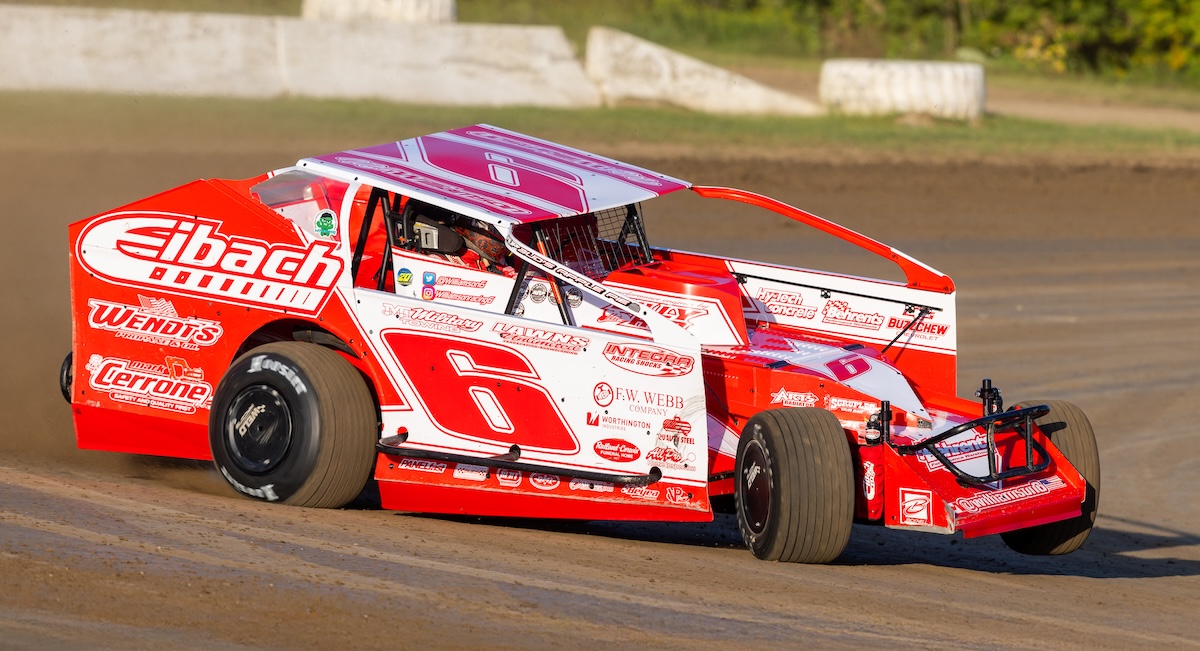
Meanwhile, there are trends inside the sport worth watching as well. In fact, speaking of watching, David Cardey, sales manager at Eibach Inc., points to the positive market impact of livestreamed races.
“The ability to watch local races anywhere across the country has helped racers and teams get better sponsorship, which helps fuel the market for better products,” he notes.
And there are plenty of product innovations to celebrate as well, says Dave Brzozowski, motorsports/racing manager at Wilwood Racing, particularly “chassis and suspension development, tire construction and compounds, and shock technology.”
Ready to Race
Higher prices or not, when the new season rolls around, circle track racers are ready to race—and win.
“A common misconception is that circle track racers only care about price,” says Goncalves. “Most racers actually understand the value of quality parts, especially when it comes to oil control and reliability. It’s not about buying/selling the cheapest option; it’s about helping them see how better-built components protect their engines and improve performance.”

Understanding those components is important when selling to the circle track crowd, because most racers arrive at a shop with a good idea of what they want.
“Grassroots racers these days have so many tools at their disposal to educate themselves that they typically know more about their cars than we do as manufacturers,” Cardey notes.
When selling to the circle track market, a subtle difference is considering performance over time, Barsamian explains.
“Most circle track racers—especially grassroots and regional-level—are far more focused on cost-per-lap, durability and ease of service than they are on squeezing out the last 2% or 3% of performance. The reason many shops misunderstand this is because they think like drag racers or road racers, where max performance parts equal more wins,” he says. “Circle track has a different calculus—endurance, budget and predictability matter as much as raw horsepower or bite. Shops sometimes assume a racer won’t mind an extra cost if the part is ‘faster.’ In truth, a racer might be more loyal to the shop that saves them money and downtime.”
Smith says successful shops create a personal connection with their clients.
“Racers value advice and trust,” he notes. “A knowledgeable salesperson can earn that trust when talking about products.”
When it’s time to get racers outfitted for the new year, the first step for shops is to do a little digging.
“Ask customers the type of oval racing they are doing—pavement or dirt, the size of the track they are primarily running on, type and class of car and which divisions,” says Brzozowski. “What is the customer looking for and not asking enough questions about?”
Once they find the answer, a mistake some shops make, says Moon, is “not having parts that are more specific to circle track cars.”
Available inventory can include the safety equipment every competitor needs, says Fordyce.
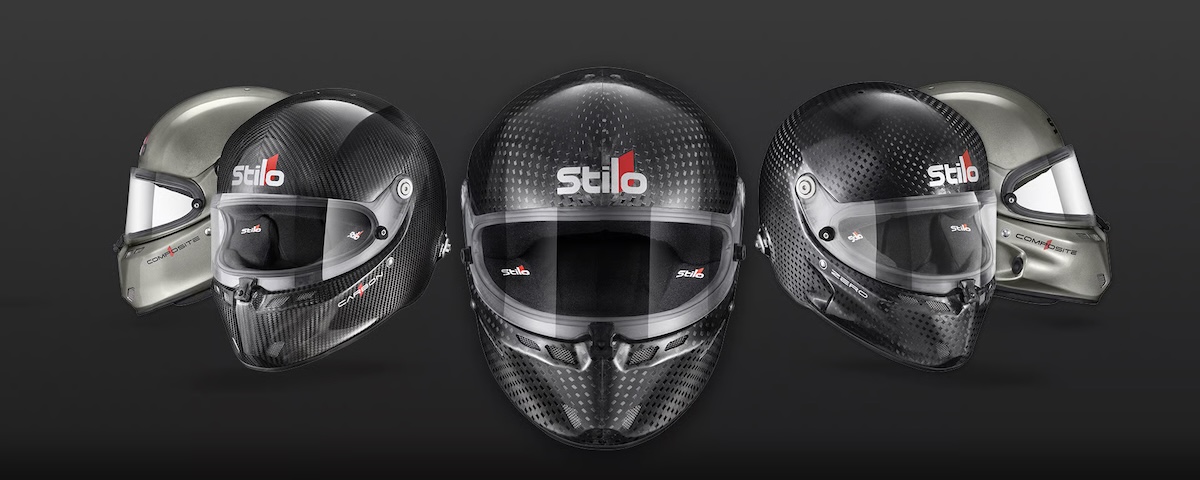
“Shops sometimes miss the intimate opportunities to make racers safer at the track,” he observes. “Many shops and manufacturers miss the boat when it comes to working alongside race series to educate racers on better safety practices and technical safety inspections. Education is needed across the board for requirements with seats, belts, helmets and head and neck systems.”

In It to Win It
Shops that are actively involved at their local circle tracks have the inside line to increased sales, says Goncalves from Canton Racing Products.
“Little things such as attending events, sponsoring a few cars or staying active in online racing groups all make a difference,” he says. “Racers want to buy from people who understand their world and can offer real advice. Building relationships and being a trusted resource is the best way to grow circle track sales.”
MPD Racing’s Smith says competitors want to buy from companies that are “part of their world, not just behind the counter or on a website. Speed shops looking to grow their circle track sales need to be seen and heard at the track. The best way to earn new business is to show up, attend local races, talk with teams and build relationships face-to-face.”
Data gathering begins with shops getting to know their local circle tracks and learning which sanctioning bodies and classes run there to decide if it’s worth getting involved, says Eibach’s Cardey.
“Some of the car counts across the country might surprise people, and they do it three to four nights a week—that’s potentially a lot of repeat business,” he explains.
Knowing the types of race cars competing in your area, says Peterson Fluid Systems’ Moon, allows shops to identify the parts racers use most on a regular basis.
“Talk to local teams and track owners for information,” he recommends.
Wilwood’s Brzozowski is also a fan of shops focusing on the popular circle track racing in their area to gain a competitive advantage, adding that “racing subscriptions are a great resource.”
Want to serve local racers even better? Why not hire one, asks Holley’s Fordyce.
“They’ll know the ins and outs and offer ways to build the business around the way they race. Most are 9 a.m. to 5 p.m. and then 5 p.m. to whenever getting their cars ready.”
He also suggests “leaning on manufacturers” to learn the “tips and tricks to make racers safer and more comfortable.”

Inside the shop, Barsamian from Advanced Clutch Technology recommends creating refresh and upgrade packages.
“The best way to serve circle track racers is to recommend parts that deliver the best balance of performance, durability and value for their specific level of racing,” he says. “Doing so builds trust and long-term business. Instead of waiting for racers to come in when something breaks, bundle the common consumables they’ll need over a season—clutch disc, pressure plate, throw-out bearing, flywheel bolts, fluids and maybe even spares like pads or filters—and market it as a ‘Circle Track Season Kit.’”
Circle Track Products
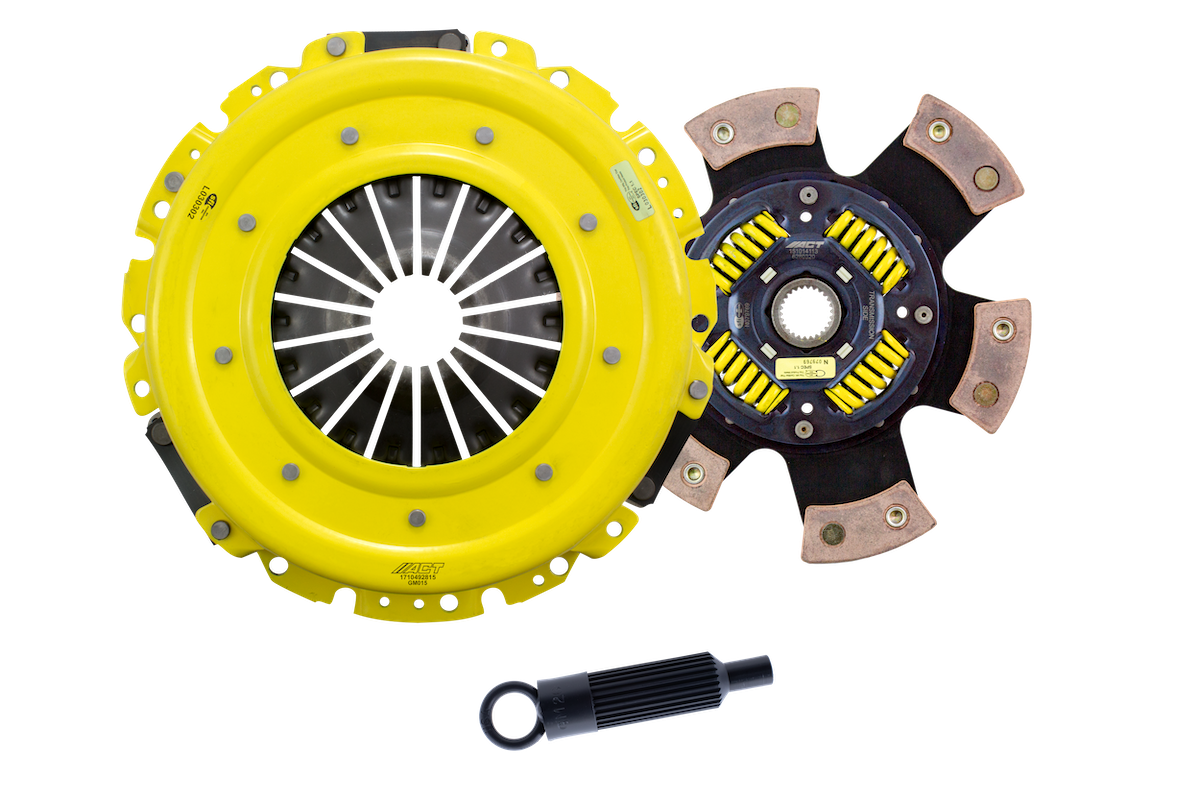
HOT PRODUCTS: Six-Puck Unsprung HR6 Kits
FEATURES & BENEFITS: Faster, more direct engagement, as a six-puck unsprung disc works like an on/off switch; reduced rotational mass, as the simpler, lighter design of an unsprung disc reduces the engine’s rotating weight; increased durability, with hubs that are more rigid and less prone to failure.
Advanced Clutch Technology
Rich Barsamian
VP Sales & Marketing
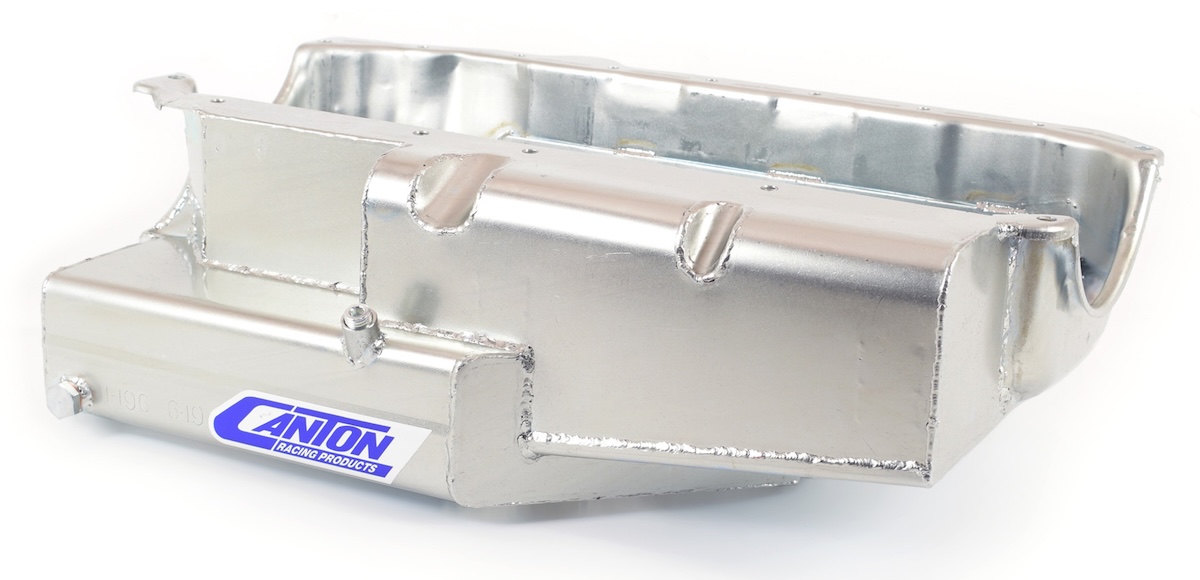
HOT PRODUCTS: 11-196 & 11-200 Circle Track Oil Pans
FEATURES & BENEFITS: Available for small-block Chevy applications; top sellers for racers who demand consistent oil control and durability; the 11-196 is a shallow “L”-style pan with an 8-quart system capacity; the 11-200 is a stock-appearing oil pan designed for pre-80s Chevys with left-side dipsticks.
Canton Racing Products
Christian Goncalves
Marketing Manager

HOT PRODUCTS: Circle Track Racing Springs
FEATURES & BENEFITS: Competition-specific springs available for every form of circle track racing.
Eibach Inc.
David Cardey
Sales Manager
HOT PRODUCTS: Safety Gear
FEATURES & BENEFITS: Stilo ST6 composite and carbon helmets are in demand in the high-end asphalt market; custom race suits available with a wide range of options for different scales of economy; the presence of Hans IV restraint devices is also increasing at all levels.
Holley Performance Brands
Graham Fordyce
Circle Track Sales Manager
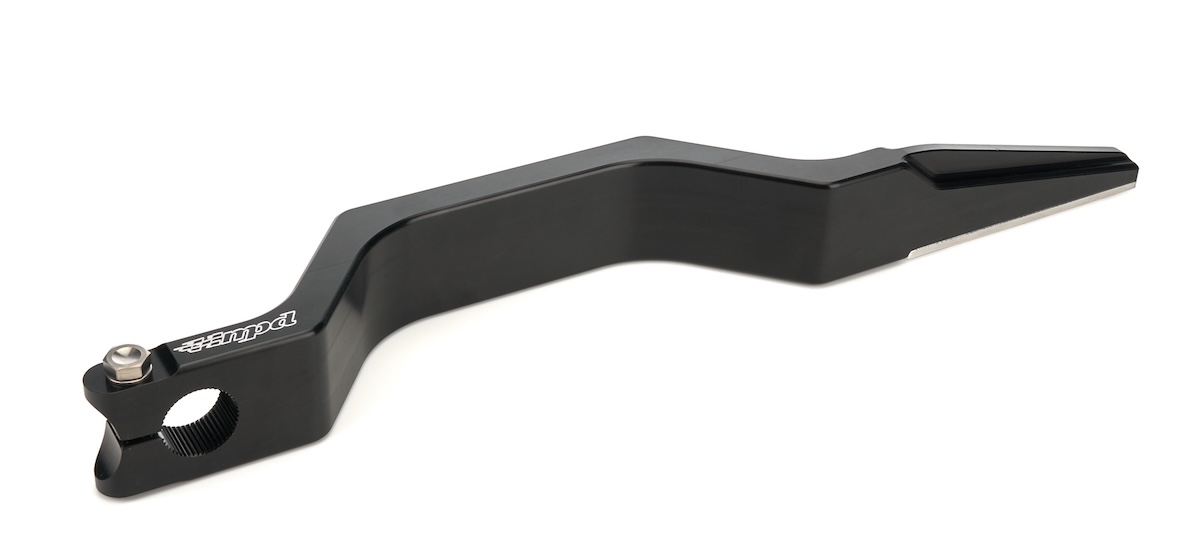
HOT PRODUCTS: MPD82030 & MPD82032 7075 Billet Aluminum Front Torsion Arms
FEATURES & BENEFITS: Recently introduced, the arms reduce deflection, twist and bend when under load.
MPD Racing
Eddie Smith
Manager
HOT PRODUCTS: Competition Oiling Components
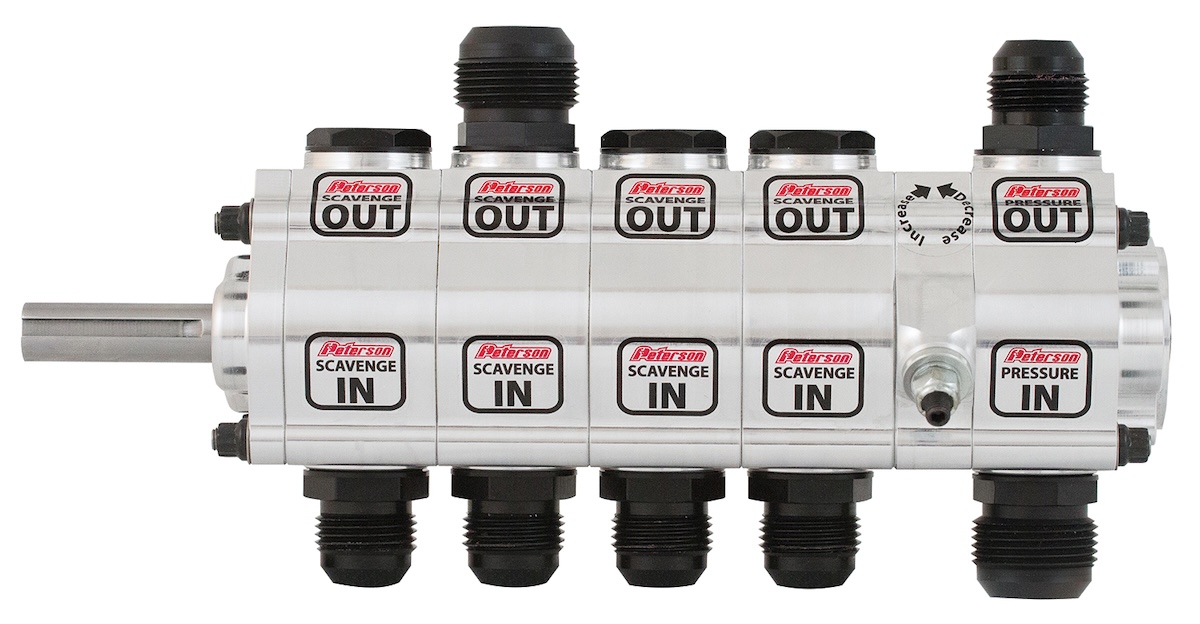
FEATURES & BENEFITS: Popular choices include the 04-5056 series bell housing mount; dry sump pumps; 08-9016, 08-9018 and 08-9019 dry sump oil tanks; remote oil filter mount with oil pressure priming pump; lightweight PFS R4 oil pumps offer improved oil pressure and pull good vacuum.
Peterson Fluid Systems
Wade Moon
Technical Sales Manager
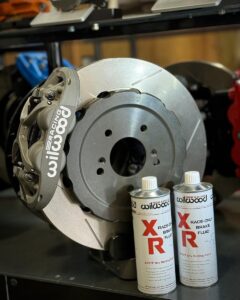
HOT PRODUCTS: Competition Braking Components
FEATURES & BENEFITS: Popular offerings include XRZ calipers for pavement late-model racing; XR brake fluid; quick-disconnect, no-bleed fittings for brakes/clutch; and burnished rotors that allow customers to install and go race with no pre-bed.
Wilwood Racing
Dave Brzozowski
Motorsports/Racing Manager